
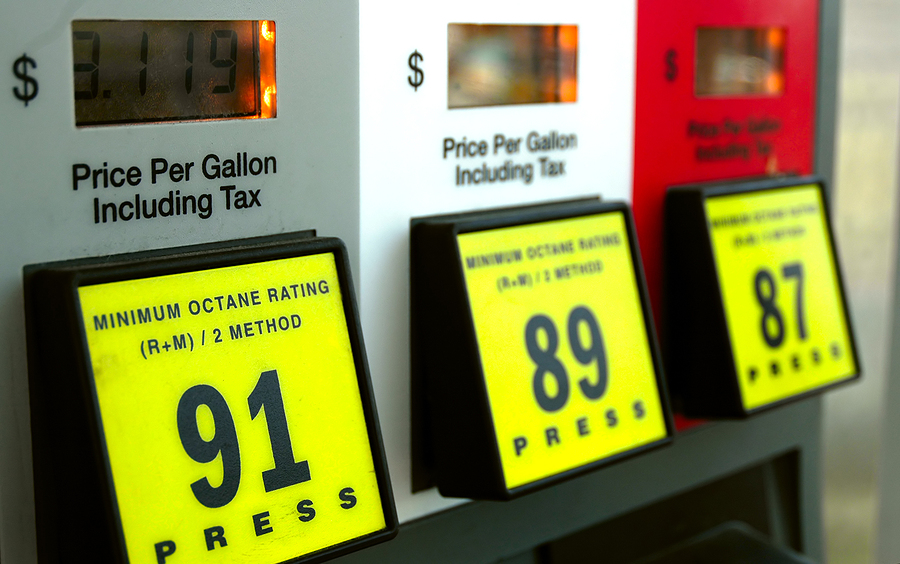
As we enter 2026, the financial landscape for many American families is increasingly strained, primarily due to soaring gas prices. The relationship between fuel costs and overall economic stability is intricate; when gas prices rise, they trigger a ripple effect through various sectors of the economy, leading to substantial financial pain for average citizens.
In 2026, the average price of gasoline has spiked to unprecedented levels, driven by a combination of geopolitical tensions, supply chain disruptions, and increased demand as the economy rebounds post-pandemic. This surge in fuel costs has placed an enormous burden on households, forcing families to allocate a larger portion of their budgets to transportation. The pain is especially acute for those who rely heavily on their vehicles for commuting to work or running essential errands. In regions where public transport options are limited, this dependency is magnified, leading to a significant impact on disposable income.
Moreover, rising gas prices have a cascading effect on the costs of goods and services. Transportation is a crucial component of the supply chain, and when fuel prices climb, it leads to increased shipping costs, which ultimately get passed down to consumers. Grocery bills, utility costs, and the price of everyday goods have all seen an uptick, squeezing the average American family even tighter financially. For many, this translates to hard choices between necessary expenditures, such as heating or cooling a home, and fueling their vehicles.
The financial pain isn’t merely a matter of inconvenient budgets; it has broader implications for economic growth. When families are forced to spend a greater portion of their income on essential fuels, they have less to allocate to discretionary spending. This downturn affects local businesses, which rely on consumer spending to thrive. Economists warn that as consumer confidence dips, it can trigger a slowdown in economic growth, leading to job losses and further exacerbating financial strain.
Additionally, with energy prices fluctuating, many Americans find it difficult to plan for the future. Uncertainty in budgeting, coupled with potential increases in interest rates tied to inflation, has created an environment where many households struggle to maintain financial stability.
The government has responded to the issue through various measures, including discussions around subsidies and alternative energy investments. However, immediate relief for consumers feels elusive, making it crucial for policymakers to address the underlying issues contributing to high gas prices. As we navigate through 2026, the financial pain stemming from gas prices serves as a poignant reminder of the interconnectivity of energy costs and economic wellbeing in America.
For more details and the full reference, visit the source link below:
