
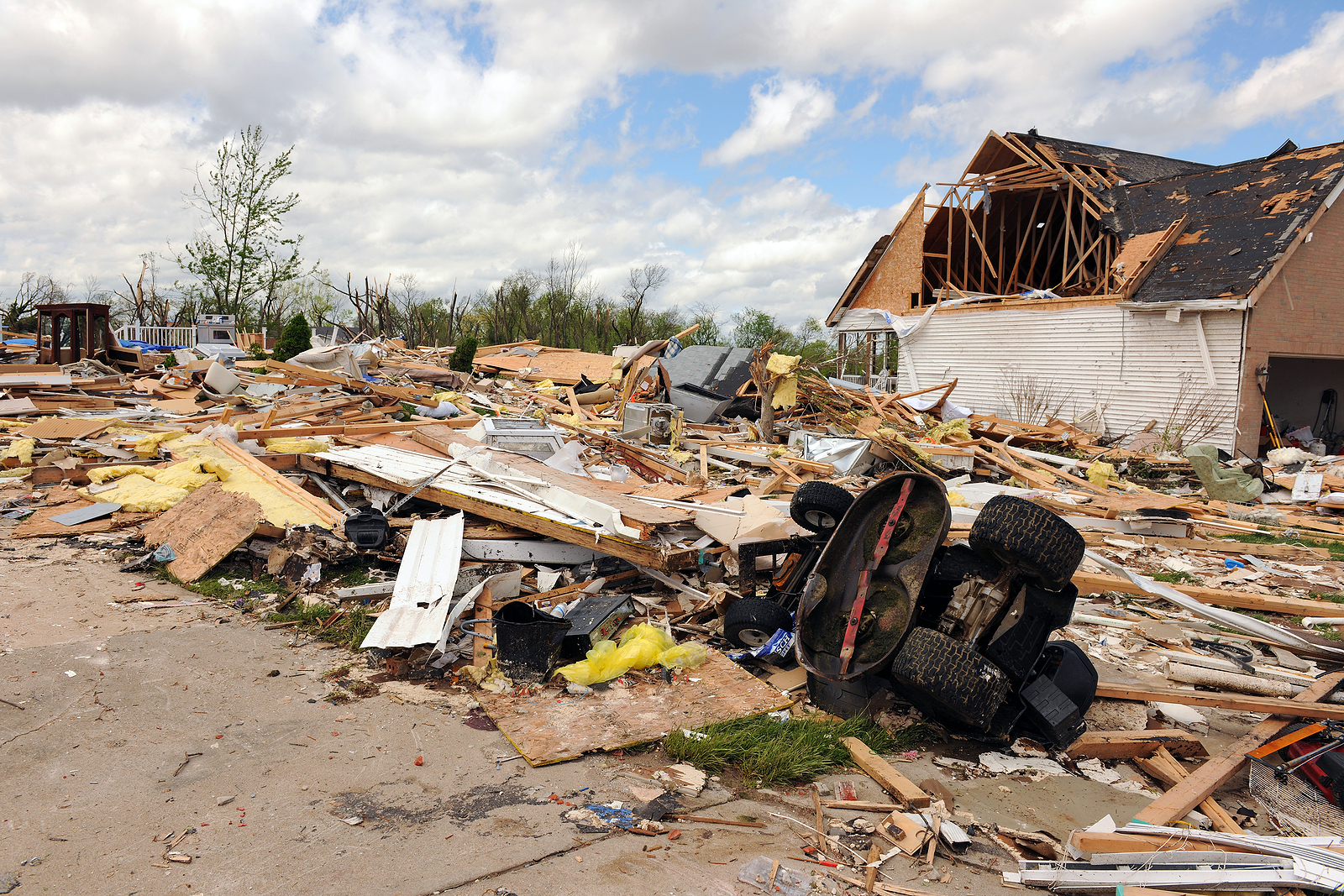
The recent tornado that struck St. Louis has left a significant mark on the community, prompting a swift response from local authorities and emergency management teams. However, as the city embarks on the recovery journey, a multi-million-dollar contract awarded for restoration efforts has raised critical questions about long-term costs and efficiency.
The storm, which wreaked havoc across neighborhoods, damaged homes, businesses, and infrastructure. In the aftermath, the city organized an emergency response that included debris removal, temporary shelter for displaced residents, and assessments of structural damage. In the hustle to restore normalcy, the decision to award a contract to a specific recovery firm has come under scrutiny.
Many community leaders and residents are concerned that the awarded contract, while expedient, may lead to long-term fiscal implications that could burden taxpayers. Initial estimates suggest that the total costs associated with the recovery process could far exceed the city’s budgetary allocations. Critics argue that choosing a firm based on speed rather than a detailed evaluation of its prior performance and ability to manage funds effectively may result in inefficient use of resources.
Additionally, the rush to finalize contracts has sparked discussions about transparency and accountability in local governance. Questions about the selection process and whether multiple bids were considered are at the forefront of community dialogue. Stakeholders emphasize the importance of vetting recovery firms based on experience and past performance in similar situations, rather than urgency alone.
Furthermore, the recovery plan must prioritize sustainable rebuilding that takes into account future resilience to natural disasters. This raises another question about whether the current contractor is equipped to deliver long-term solutions instead of temporary fixes. Stakeholders are advocating for a comprehensive rebuilding strategy that not only restores the affected areas but also enhances preparedness for potential future events.
In essence, the St. Louis tornado recovery contract saga encapsulates a broader discourse on disaster response management. As officials work to mend the immediate damages, it is crucial that they also consider the long-term fiscal and operational impacts. Balancing expedience with prudent oversight will ultimately determine the efficacy of the recovery efforts and the community’s ability to thrive post-disaster. Engaging the public in discussions about oversight and recovery plans may lead to a more transparent process and bolster community trust in local governance as St. Louis continues its rebuilding journey.
For more details and the full reference, visit the source link below:
