
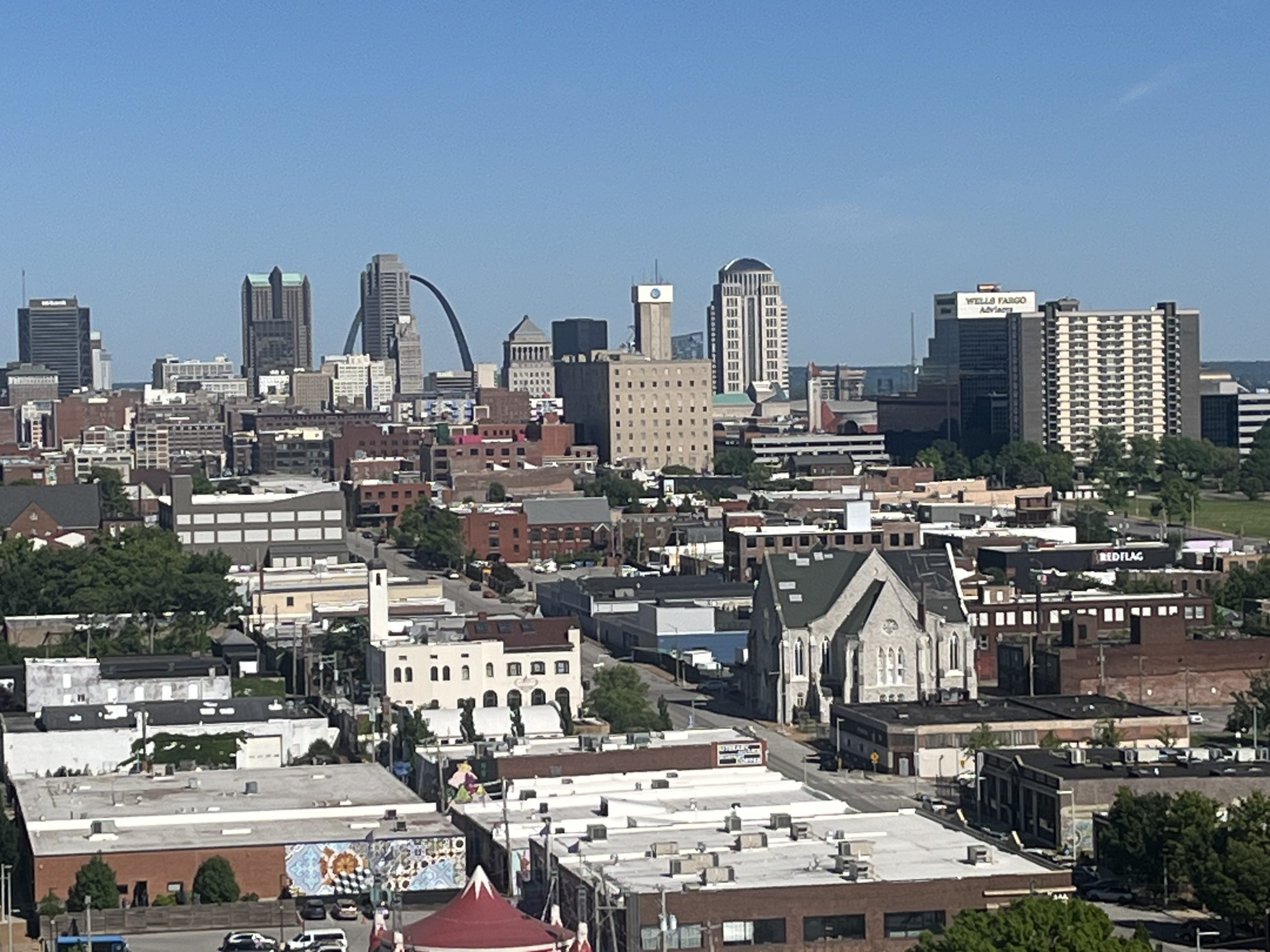
Missouri’s Downtown Redevelopment Bill has the potential to significantly reshape the future of St. Louis, providing an opportunity to revitalize its urban core and enhance economic growth. The legislation aims to attract private investments into areas that have historically struggled with neglect and underutilization, particularly in downtown St. Louis. This initiative not only targets the physical landscape, but also seeks to improve the quality of life for residents and visitors alike.
One of the key components of the bill is the establishment of tax incentives designed to encourage developers to invest in downtown properties. By offering potential tax breaks or credits, the legislation lowers the financial barriers for developers, making it more feasible for them to restore and repurpose aging buildings or construct new ones. This influx of capital can lead to the development of mixed-use spaces that incorporate residential, commercial, and recreational facilities, fostering a vibrant community atmosphere.
The expected outcomes of the Downtown Redevelopment Bill include job creation, increased foot traffic, and enhanced public amenities. As new businesses move in, they can provide employment opportunities for local residents, thus stimulating the economy. Moreover, a revitalized downtown is likely to attract tourists, creating a ripple effect that benefits surrounding neighborhoods and sectors, such as retail and hospitality.
Public transportation and infrastructure improvements are also significant focuses of the bill. Investment in these areas can streamline access to downtown, making it more attractive for both residents and visitors. Enhanced public transit options can reduce traffic congestion and promote eco-friendly commuting alternatives, contributing to a more sustainable urban environment.
Furthermore, the bill underscores the importance of community engagement in the redevelopment process. Involving local stakeholders, including residents, businesses, and civic organizations, ensures that development aligns with the needs and desires of the community. This collaborative approach can foster a sense of ownership and pride among residents, making them more likely to support and participate in revitalization efforts.
However, challenges remain, including concerns about gentrification and displacement of existing residents. It’s critical for the bill to incorporate measures that protect vulnerable populations during the redevelopment process. By addressing these social equity issues, Missouri’s Downtown Redevelopment Bill can pave the way for a more inclusive and equitable St. Louis.
In summary, the Downtown Redevelopment Bill presents a transformative opportunity for St. Louis, promising to breathe new life into its urban core. By integrating economic development with community engagement and social responsibility, it can shape a brighter, more sustainable future for the city and its residents. The success of this initiative may serve as a blueprint for other urban centers seeking revitalization.
For more details and the full reference, visit the source link below:
