
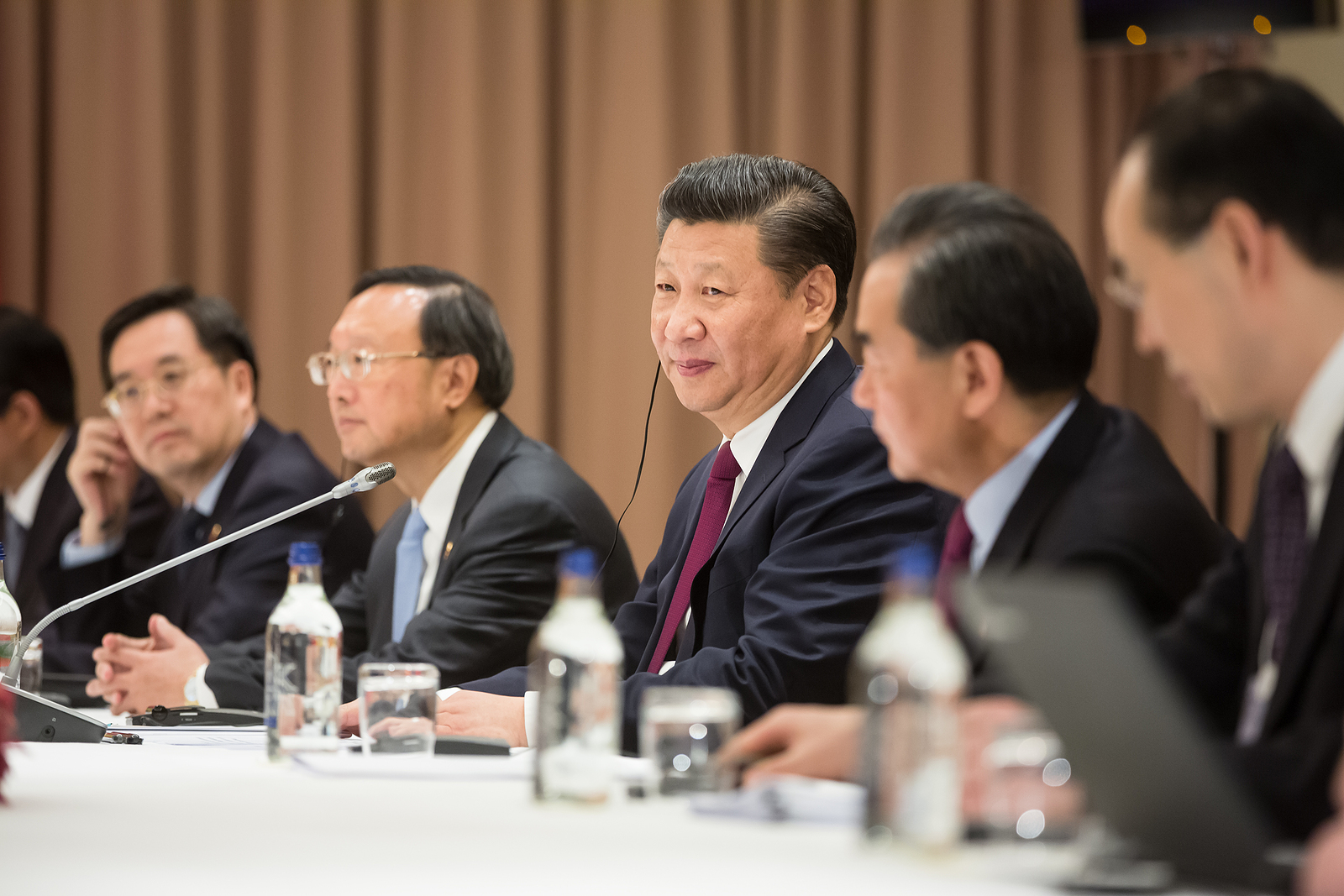
Xi Jinping: China’s Most Powerful Modern Leader
Xi Jinping, born on June 15, 1953, in Beijing, is a central figure in contemporary global politics, often referred to as one of China’s most powerful leaders since Deng Xiaoping. His rise to power and governance style reflect a significant shift in China’s political landscape, underscoring his aspiration to establish the country as a dominant global force.
Xi’s political lineage is noteworthy; he is the son of Xi Zhongxun, a revolutionary veteran and former vice premier. This familial connection provided Xi with distinct advantages and a deep-rooted understanding of China’s political intricacies. After studying chemical engineering at Tsinghua University and embarking on a political career that saw him rise through various ranks, he became a member of the Standing Committee of the Politburo in 2007, eventually ascending to General Secretary of the Communist Party of China (CPC) in 2012.
Xi’s leadership is characterized by an aggressive consolidation of power. He has centralised authority within the CPC, reversing years of collective leadership. Under his command, the party commenced an extensive anti-corruption campaign aimed at rooting out graft within its ranks, although critics speculate this campaign also serves to eliminate political rivals. This duality of Xi’s governance raises questions about both the motivation behind the campaign and its effects on party dynamics.
A pivotal aspect of Xi’s profile is the promotion of the “Chinese Dream,” a vision that emphasizes national rejuvenation and increased global influence. Under his tenure, China has actively sought to expand its economic sphere through initiatives like the Belt and Road Initiative (BRI), aiming to enhance connectivity and cooperation across Asia, Africa, and Europe. This ambitious project exemplifies Xi’s vision of fostering a new world order centered around China’s economic capabilities.
Xi’s foreign policy is equally notable. He has adopted a more assertive stance in territorial disputes, particularly in the South China Sea, and has positioned China as a counterbalance to U.S. influence. The Belt and Road Initiative also serves as a tool to project soft power, enabling China to cultivate relationships with other nations while securing vital trade routes.
Domestically, Xi has emphasized a return to Marxist ideals merged with Chinese characteristics, initiating policies that fortify state control over various sectors, including technology and media. His administration has intensified censorship and surveillance, aiming to maintain social stability and Party loyalty in an era of rapid modernization and globalization.
In conclusion, Xi Jinping’s profile as China’s most powerful modern leader is shaped by a blend of traditional leadership consolidation, visionary initiatives for national revival, and an assertive, globally-oriented foreign policy. His legacy, still unfolding, will likely redefine China’s role in the 21st-century world order.
For more details and the full reference, visit the source link below:
