
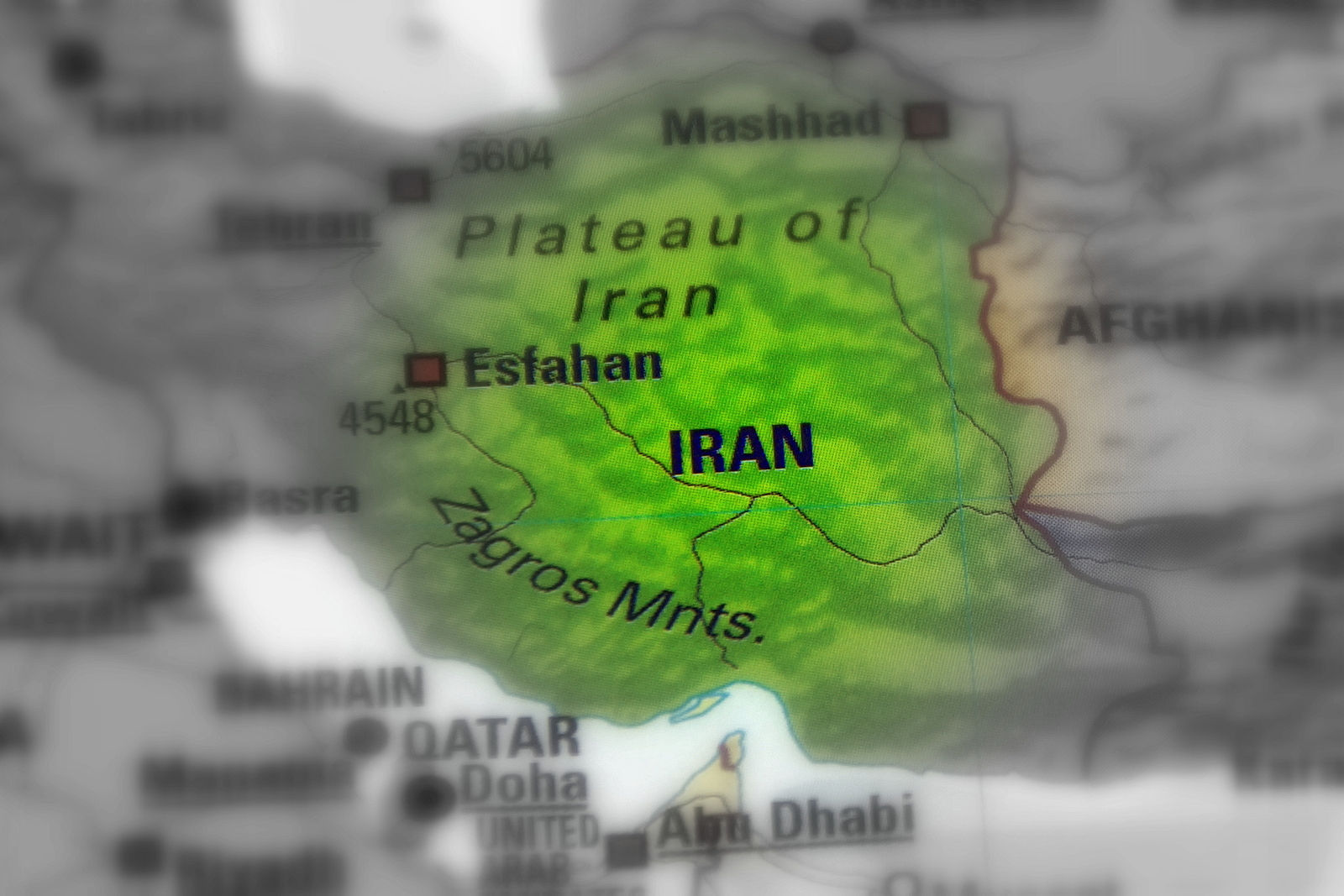
The Iran nuclear standoff represents one of the most pressing geopolitical challenges of the 21st century. The protracted negotiations over Iran’s nuclear program have had significant implications for regional stability, global security, and international relations. Despite numerous diplomatic efforts, including the Joint Comprehensive Plan of Action (JCPOA) initiated in 2015, tensions have escalated, leading many to advocate for decisive action to address the looming threat.
Iran’s nuclear ambitions have raised concerns among various nations, particularly due to its strategic location in the Middle East, a region already fraught with tensions. The fear is that a nuclear-capable Iran could upset the delicate balance of power, prompting a nuclear arms race among neighboring countries such as Saudi Arabia and Turkey. The potential for increased regional conflict and terrorism gives weight to calls for a more assertive stance toward Iran’s nuclear developments.
The failure of diplomatic efforts highlights the limitations of negotiations in halting Iran’s nuclear progress. Iran has repeatedly violated the terms of the JCPOA, expanding its nuclear enrichment capabilities and diminishing the transparency of its nuclear operations. The lack of a credible enforcement mechanism has emboldened Tehran, leading to a more defiant posture in negotiations. This has resulted in a cycle of mistrust, with both sides viewing one another’s actions through a lens of suspicion and hostility.
Proponents of decisive action argue that military intervention or targeted strikes against nuclear facilities may be necessary to neutralize the threat. While such an approach carries significant risks, including potential retaliation by Iranian forces and the risk of widespread conflict in the region, some contend that inaction could be even more detrimental. A nuclear-capable Iran could not only destabilize the region further but also pose a direct threat to the interests and allies of the United States and other powers.
Furthermore, the global stakes associated with a nuclear Iran necessitate urgent action. Countries like Israel view Iran’s nuclear program as an existential threat, and without a coordinated international response, rogue states might see the acquisition of nuclear weapons as a viable strategy for deterrence and power projection. The historical failures of appeasement and underestimation of rogue states underscore the need for a more proactive stance.
In conclusion, the Iran nuclear standoff is not just a regional issue; it poses a significant challenge to international security and diplomatic order. With the current trajectory of events, decisive action—not merely sanctions or diplomatic negotiations—may be necessary to prevent Iran from becoming a nuclear power, thereby averting a possible regional and global crisis. As the world watches, the time for clear, unified action may soon come.
For more details and the full reference, visit the source link below:
Read the complete article here: https://www.stl.news/iran-nuclear-standoff-decisive-action-required/
