
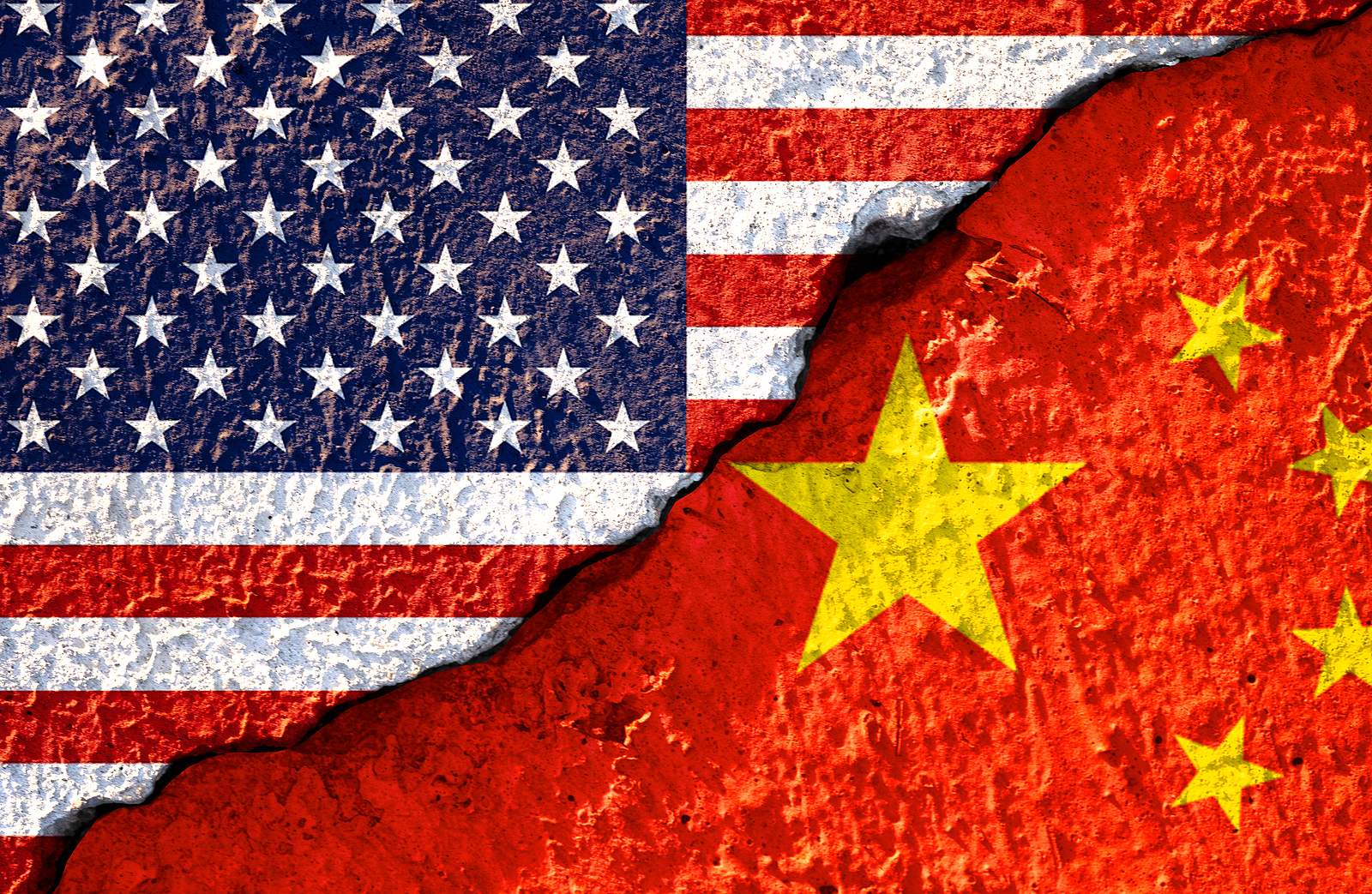
The U.S.–China cyber warfare landscape has evolved into a complex battleground where nations vie for supremacy over critical infrastructure, data, and global influence. This hidden conflict, characterized by espionage, sabotage, and cyber reconnaissance, poses significant risks not only to national security but also to economic stability and everyday life.
As the two largest economies in the world, the U.S. and China have recognized the strategic importance of cyberspace. For China, cyber operations are part of a broader military strategy aimed at achieving “informatized warfare,” suggesting that digital capabilities are as major as traditional military assets. Chinese cyber actors have been implicated in various attacks targeting U.S. government agencies, corporations, and essential services, such as energy and transportation networks. The goal is multifaceted: to steal sensitive information, disrupt operations, or influence political outcomes.
On the other hand, the U.S. has responded by ramping up its cyber defenses and offensive capabilities. The establishment of U.S. Cyber Command exemplifies the American approach, focusing on protecting critical infrastructure and deterring cyber threats. Meanwhile, federal agencies, including the FBI and NSA, continuously work on detecting and mitigating threats posed by malicious cyber activities. The U.S. has also tightened regulations regarding technology transfer to Chinese companies, emphasizing concerns over intellectual property theft and the potential threats posed by technologies that could be used for surveillance or military purposes.
The battle over data—a crucial commodity in the digital age—underscores this escalating rivalry. In a world where information is power, both nations aim to control vast amounts of data, influencing everything from public opinion to economic trends. The collection and use of data enable enhanced decision-making processes, providing strategic advantages. China’s extensive surveillance state reflects its commitment to data collection, while the U.S. is increasingly aware of the vulnerabilities posed by reliance on foreign technologies.
Moreover, this conflict extends beyond national borders, influencing global power dynamics. Allies of the U.S. are often caught in the crossfire as they navigate the pressures from both sides. The apprehension surrounding Chinese technology companies like Huawei exemplifies the geopolitical tensions that can ensue. The push for a bifurcated global technology ecosystem, emphasizing safe and secure networks, also reveals the long-term implications of this cyber competition.
In conclusion, U.S.–China cyber warfare is a multifaceted confrontation that transcends mere technical battles. As both nations increasingly view cybersecurity as integral to national security and global influence, the stakes continue to rise. The outcome of this hidden battle will not only shape the future of international relations but will also define the cybersecurity landscape for generations to come.
For more details and the full reference, visit the source link below:
