
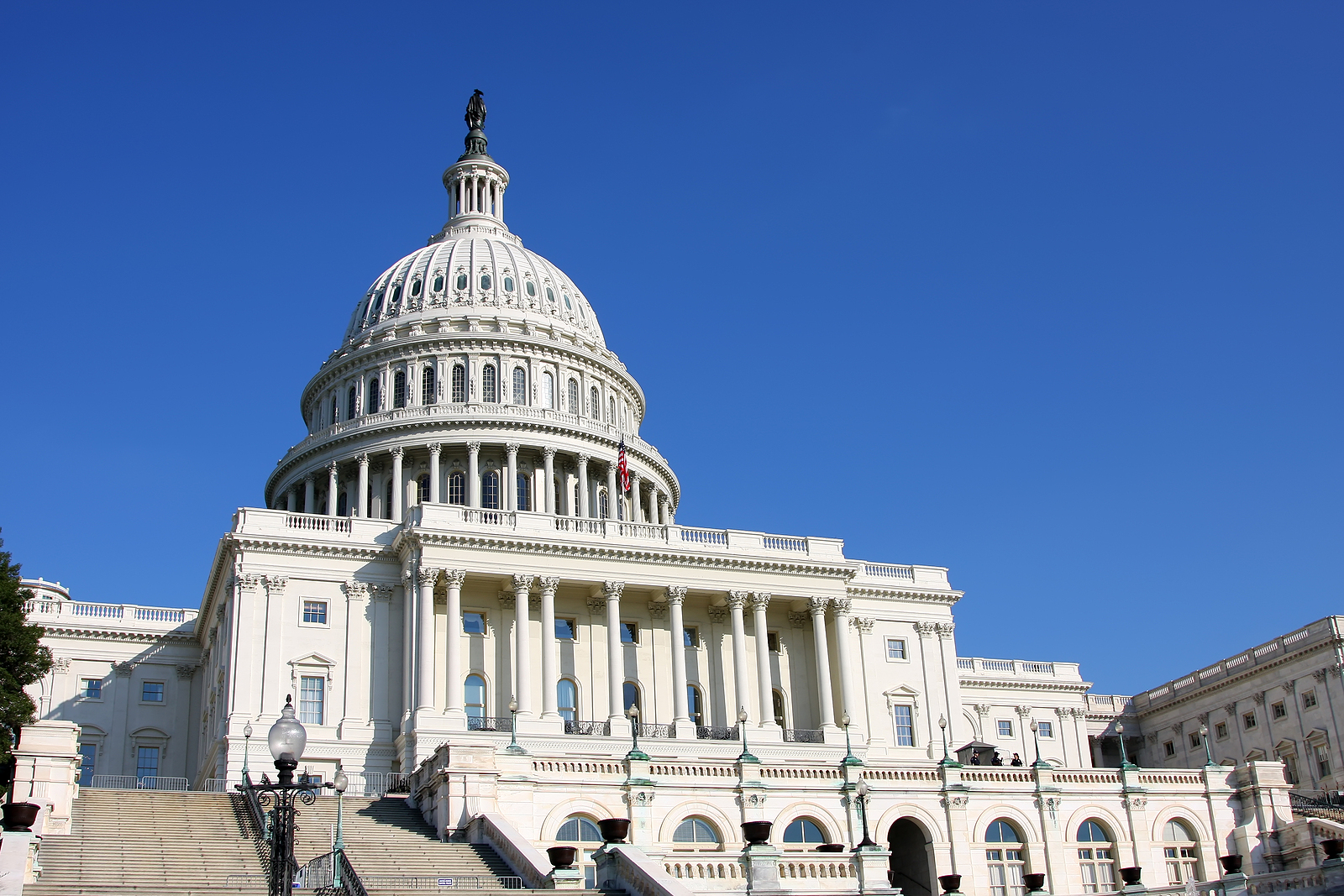
The question of who decides when America goes to war is a complex interplay of constitutional authority, political dynamics, and historical precedent. The U.S. Constitution provides a framework for the distribution of war powers between Congress and the President, establishing a delicate balance designed to prevent unilateral military actions that could embroil the nation in prolonged conflicts.
At the heart of this issue lies Article I, Section 8, which grants Congress the power to declare war. This congressional authority was intended as a check on presidential power by requiring collective deliberation concerning military engagement. Conversely, Article II, Section 2 designates the President as the Commander-in-Chief of the armed forces, granting the executive branch significant operational control over military actions once Congress has declared war or in times of national emergency.
Historically, the nature of war powers has evolved, with Presidents increasingly utilizing military force without formal declarations of war. This shift began notably in the 20th century, as conflicts such as the Korean and Vietnam Wars saw Presidents engage military forces under the pretext of protecting U.S. interests or fulfilling commitments made to allies, without explicit Congressional approval. This trend raises questions about the scope of presidential authority and the accountability mechanisms in place.
The War Powers Resolution of 1973 was an attempt to curtail presidential overreach by requiring the President to consult Congress before deploying troops into hostilities and to withdraw forces after 60 days unless Congress authorizes further action. However, since its enactment, the Resolution has often been criticized for its lack of enforcement mechanisms and its ambiguous language, leaving room for Presidents to argue that they can act unilaterally under specified conditions.
The challenge of war powers is further complicated by the political landscape. Presidents often leverage public support and the urgency of threats to justify military actions, leading to debates about whether such actions are legitimate or a form of executive overreach. Moreover, the role of public opinion can heavily influence Congressional responses, making it a significant factor in decisions about military engagement.
Ultimately, the question of who decides when America goes to war remains contentious. While the Constitution establishes a framework intended to balance power, the evolving nature of military engagements, combined with shifting political realities, has contributed to an ongoing struggle between Congress and the Presidency. As global dynamics continue to change, this balance will likely remain a fundamental debate in American governance, emphasizing the need for clarity and cooperation between branches of government to protect the democratic principles that underpin U.S. foreign policy.
For more details and the full reference, visit the source link below:
