
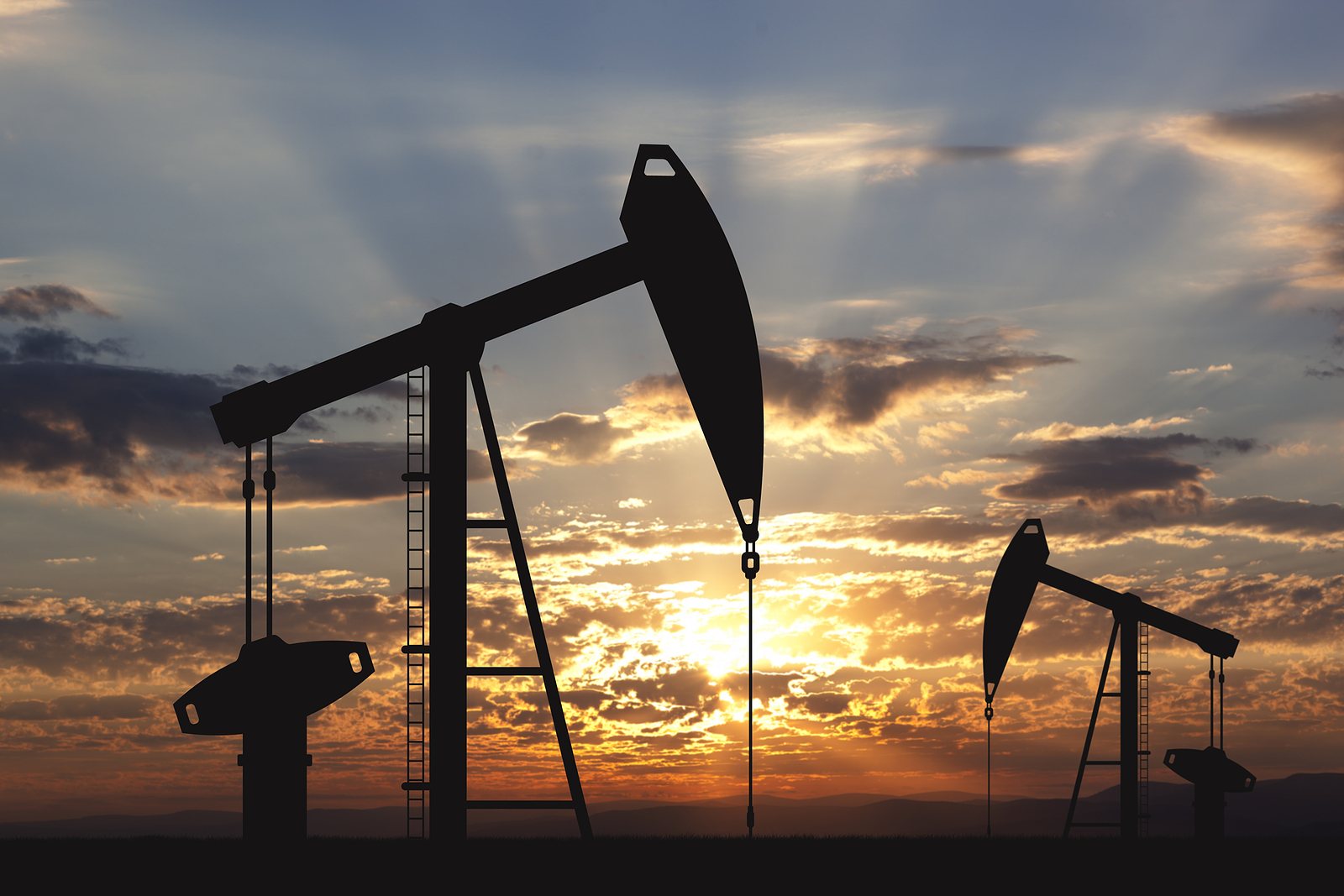
In a dramatic turn of events, oil prices have surged above $125 a barrel, creating ripples across global markets and prompting concerns about an impending economic shock. The escalation in crude oil prices can be attributed to a myriad of factors, including geopolitical tensions, supply chain disruptions, and inflationary pressures that have plagued the global economy in recent months.
Geopolitical factors, particularly the ongoing conflict between major oil-producing nations, have significantly influenced the trajectory of oil prices. The unrest in regions rich in oil reserves has led to fears of supply shortages, driving prices upward. Sanctions on countries that are key players in the oil market have exacerbated the situation, further constricting supply. As countries scramble to secure energy resources, the competition for oil has intensified, placing additional pressure on pricing.
The ramifications of soaring oil prices are far-reaching. For consumers, the most immediate impact is seen at the gas pump, where prices inevitably rise, leading to increased transportation costs. This spike in fuel prices translates into higher costs for goods and services, thereby amplifying inflation. Households are particularly vulnerable, as climbing energy costs force families to reassess their budgets, often prioritizing basic necessities over discretionary spending. This shift in consumer behavior could lead to a slowdown in economic growth, raising the specter of recession.
Global markets are also feeling the strain. Stock markets around the world have reacted negatively to the news of rising oil prices, as analysts predict that sustained high costs could dampen corporate profits and economic activity. Industries reliant on oil, such as transportation and manufacturing, are particularly at risk, facing squeezed margins and heightened operational costs. Additionally, central banks may be forced to reconsider their monetary policies in response to inflationary pressures, potentially raising interest rates, which could stifle investment and consumer spending.
The situation remains fluid, and while some analysts warn of a prolonged period of high oil prices, others suggest that market adjustments may stabilize prices in the coming months. For now, governments and policymakers are tasked with navigating this tumultuous landscape, seeking to implement measures that can mitigate the adverse effects of rising oil costs. Strategic reserves may be tapped, and alternative energy sources accelerated to reduce dependence on oil imports.
As the world grapples with the implications of skyrocketing oil prices, the interconnectedness of global economies underscores the urgency for coordinated efforts to address the challenges ahead. In this uncertain climate, the path forward will require resilience and adaptability from businesses, consumers, and governments alike.
For more details and the full reference, visit the source link below:
