
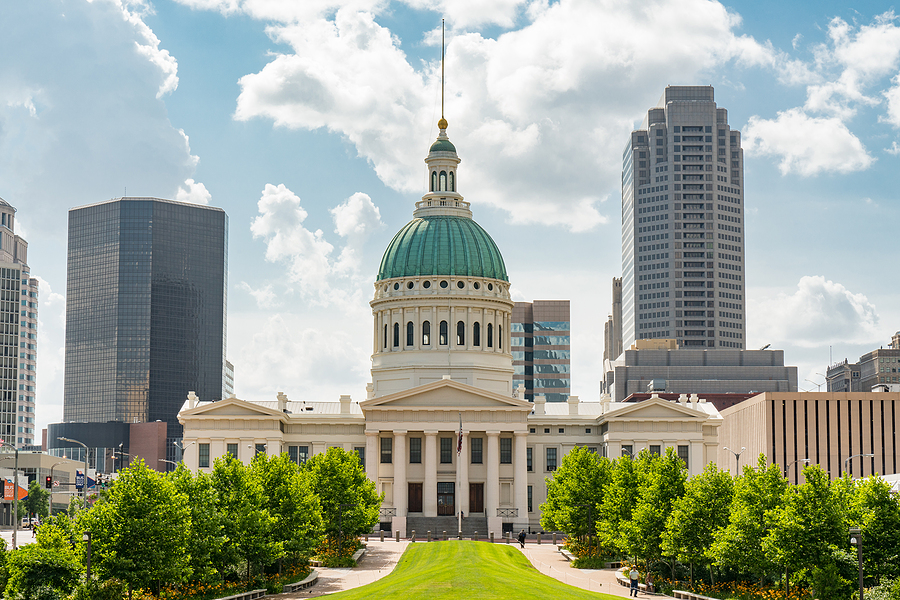
The downtown St. Louis real estate market is currently embroiled in a crisis, highlighted by a recent labeling of the area as a “nightmare.” This designation has ignited passionate discussions among stakeholders regarding the future of a once-thriving urban hub. With vacancy rates soaring and businesses struggling to maintain a foothold, many residents and investors are left questioning the city’s viability as a commercial and residential destination.
The problem is multi-faceted. A combination of economic downturns, social issues, and the ongoing impacts of the COVID-19 pandemic has contributed to a significant decline in interest from both commercial tenants and prospective homeowners. The area, which had a vibrant cultural and commercial landscape, has seen the shuttering of numerous businesses. Factors such as crime rates, lack of investment in infrastructure, and concerns over public safety have prompted many potential residents to think twice about making downtown St. Louis their home.
Compounding these issues is the impact of remote work trends, which have reduced the necessity for people to live near their workplaces. As companies adopt flexible work policies, the demand for urban living spaces in areas like downtown St. Louis has dwindled. This has led to an increase in vacant real estate, further diminishing the area’s appeal to investors.
The labeling of downtown St. Louis as a “nightmare” has polarized community members. Some local leaders argue that the label is an exaggeration that undermines efforts to revitalize the area. They believe that with targeted investments and strategic planning, the downtown sector can bounce back. These advocates point to potential opportunities such as improved public transportation, enhanced security measures, and urban development projects that focus on green spaces and communal areas, which can change perceptions and drive interest.
Conversely, critics argue that the city’s ongoing struggles are indicative of deeper systemic issues, including inadequate policy responses and insufficient support for community programs. The pervasive crime and economic instability have created a cycle that is difficult to break, leaving many disheartened about the prospects of recovery.
As discussions continue, the balance between realism and optimism will be crucial in shaping the future of downtown St. Louis. Stakeholders, including local government, businesses, and residents, must come together to create a comprehensive revitalization strategy that addresses both the immediate concerns and the long-term vision for the area. Collaborative efforts are essential to convert the ‘nightmare’ narrative into a story of renewal and resilience, showcasing how targeted actions can lead to revitalization and opportunity in an area rich in history and cultural significance.
For more details and the full reference, visit the source link below:
Read the complete article here: https://www.stl.news/downtown-st-louis-real-estate-crisis-deepens/
