
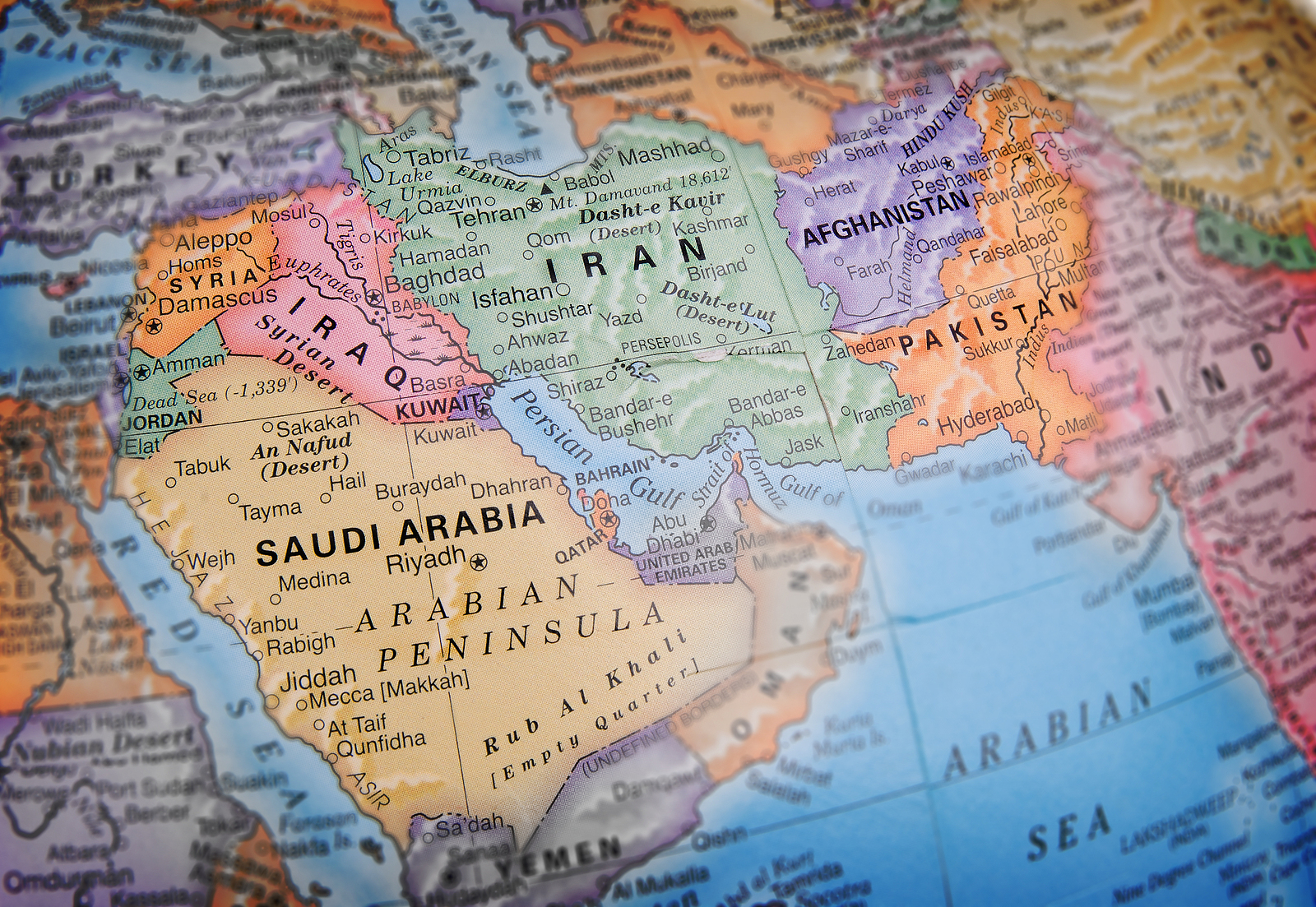
Ancient prophecies associated with Iran, particularly those from Zoroastrian, Islamic, and even other regional traditions, have long sparked intrigue and speculation about the future. These prophetic texts and oral traditions often reflect the cultural, religious, and geopolitical contexts of their times, making them both complex and fascinating to interpret.
One of the most significant ancient texts in Iranian history is the Avesta, a collection of Zoroastrian religious writings. Within it, prophecies regarding the end of times and the ultimate victory of good over evil are articulated. Zoroastrian beliefs emphasized the ongoing struggle between Ahura Mazda (the supreme god) and Angra Mainyu (the evil spirit), culminating in a time when righteousness would prevail. This duality reflects moral and ethical dimensions in Iranian society, as many believe that these prophecies can still be applicable, echoing hopes for peace and justice in contemporary Iran.
Islamic prophecies, especially those found in the Hadith and Quran, also play a pivotal role in shaping the future narrative for many Iranians. A prominent figure in these prophecies is the Mahdi, the anticipated savior who is expected to reappear to bring justice and righteousness to the world. This figure resonates deeply with the Shia population in Iran, culminating in a narrative of messianic hope that shapes political ideologies and societal expectations, particularly in times of turmoil.
Moreover, the intertwining of these ancient prophecies with current events has led to diverse interpretations. Some Iranian leaders and clerics utilize these prophecies to legitimize their political agendas, arguing that specific events are manifestations of ancient predictions. This blending of prophecy with contemporary geopolitics can distort the original messages, leading to a sense of fatalism among the populace.
The modern geopolitical landscape, with its tensions and conflicts involving Iran, often invites speculative readings of these prophecies. For some, the emergence of foreign threats and internal strife fulfills ancient warnings. However, many scholars caution against viewing these prophecies as deterministic. Instead, they argue that interpretations should focus on human agency and the possibility of change, urging a shift from fatalism to more proactive approaches in addressing challenges.
In summary, ancient prophecies in Iran reflect a rich tapestry of cultural and religious history. While they offer a lens through which many view the future, their meanings are often shaped by contemporary contexts. As these ancient texts continue to be revisited, they pose vital questions about destiny, agency, and the role of faith in guiding societies toward a better future.
For more details and the full reference, visit the source link below:
