
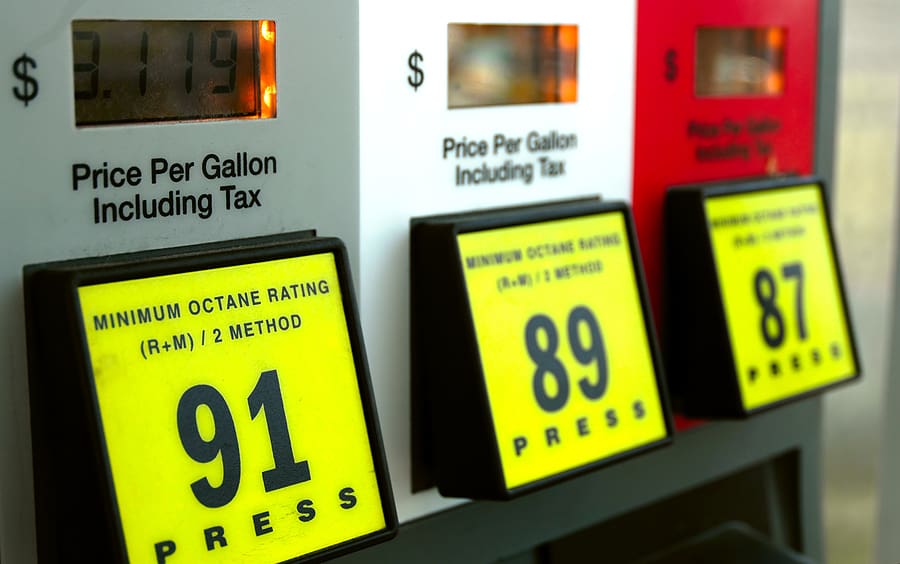
As global tensions gradually ease, consumers are witnessing a welcome decline in gas prices, a trend that many have been longing for amid a landscape of economic uncertainty. Various factors contribute to this easing, including diplomatic efforts among oil-producing nations, a reduction in geopolitical conflicts, and seasonal changes in demand. For consumers, this shift offers a glimmer of hope, but it also raises questions about what to expect in the coming months.
Historically, gas prices have been sensitive to the winds of global politics. Events such as trade disputes or military conflicts can cause prices to spike due to fears of supply disruptions. However, recent negotiations between key oil-producing nations have created a more stable environment, leading to a gradual pullback in crude oil prices and, consequently, a decrease at the pump. As tensions dissipate, consumers can expect continued stability, provided that no new significant conflicts arise.
Seasonal factors also play a crucial role in gas pricing. As we transition from summer to fall, demand for fuel typically decreases, which generally contributes to lower prices. Many families are returning from summer vacations, and school is back in session, which often leads to fewer travel needs. This seasonal dip in demand complements the recent global trends and helps maintain a downward trajectory for gas prices.
What should consumers be aware of moving forward? While the recent decline in prices is uplifting, it’s essential to remain cautious. Gas prices can be volatile and subject to rapid changes based on market conditions. Factors like hurricanes affecting oil production or sudden economic shifts can quickly alter the pricing landscape. Additionally, the global transition towards renewable energy sources could eventually impact oil demand in the long term, potentially leading to both price increases and decreases.
Moreover, consumers should keep an eye on inflation and economic indicators. While lower gas prices can provide relief, they aren’t a panacea for broader economic challenges. High inflation can persist in other sectors, and economic instability can lead to shifts in consumer behavior.
In conclusion, while easing gas prices reflect a moment of reprieve for consumers, it is essential to stay informed and adaptive. By understanding the factors at play, from geopolitical dynamics to seasonal fluctuations, consumers can better navigate the complexities of the fuel market. As we move forward, a combination of vigilance and awareness will equip consumers to make more informed decisions in a constantly changing landscape.
For more details and the full reference, visit the source link below:
Read the complete article here: https://www.stl.news/gas-prices-begin-ease-global-tensions-cool/
