
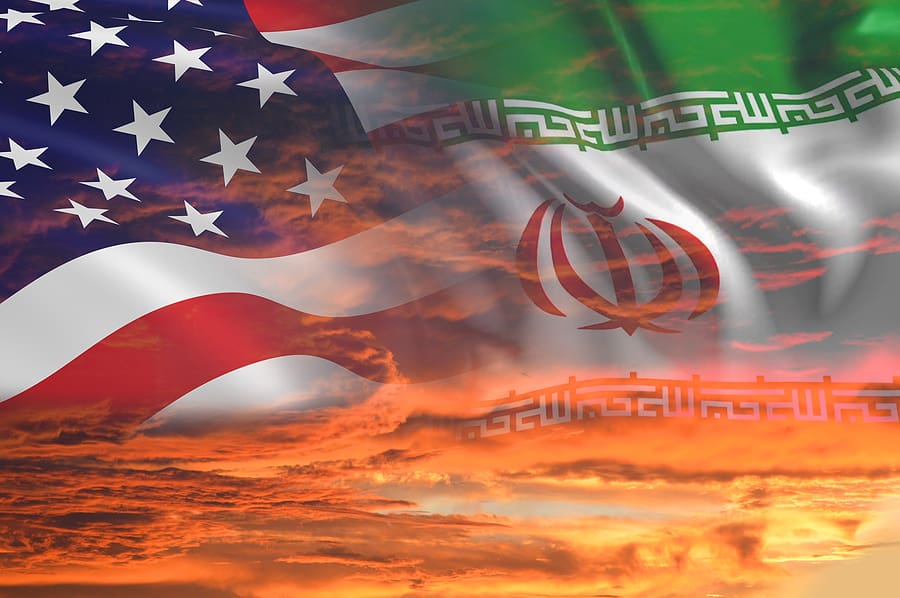
The Strait of Hormuz, a vital maritime chokepoint through which approximately one-fifth of the world’s oil supply is transported, has recently seen a pivotal change as tensions in the region appear to show signs of de-escalation. Following months of heightened conflict exacerbated by geopolitical rivalries and aggressive posturing among regional actors, the reopening of this crucial avenue for maritime traffic brings a sense of cautious optimism to global markets and shipping routes.
The easing of hostilities can be partly attributed to diplomatic efforts aimed at mending long-standing rifts between Iran and other nations, particularly the United States and Gulf Arab states. As recent negotiations underscored the importance of stability in the region, optimism increased among international stakeholders. The significance of the Strait cannot be overstated—its closure or disruption could lead to skyrocketing oil prices and global economic turmoil, underscoring the urgent need for dialogue and conflict resolution.
Iran has long used its proximity to the Strait of Hormuz as a strategic leverage point, often threatening to close it in response to sanctions or military actions against it. However, recent indications suggest a shift in strategy as Tehran seeks to reduce tensions with its neighbors and focus on economic recovery. Strengthening economic ties with countries in the region could provide Iran with much-needed stability and an opportunity to reintegrate into the international community.
The maritime security situation is improving as shipping companies express renewed confidence in navigating these waters. Insurance premiums for vessels traversing the Strait have begun to decrease, a sure sign of de-escalating fears regarding potential confrontations at sea. This renewal of confidence could lead to reinvigorated trade patterns in the Gulf, which had been hampered by security concerns.
Though challenges remain, including ongoing proxy conflicts and the risk of miscalculations leading to renewed hostilities, the current climate suggests the possibility of a more stable environment in the Strait. Regional countries now face the crucial task of maintaining dialogue and fostering cooperative security frameworks that could prevent future escalations.
In conclusion, the reopening of the Strait of Hormuz amid signs of de-escalation in the Iran conflict is a welcome development for global trade and energy security. While this newfound stability is fragile, continued diplomatic engagement and regional cooperation hold the potential for a more secure and prosperous future in a region that has long been characterized by volatility and strife. Stakeholders worldwide will be watching closely as developments unfold, hoping this moment can pave the way for lasting peace in the Gulf.
For more details and the full reference, visit the source link below:
Read the complete article here: https://www.stl.news/strait-of-hormuz-reopens-iran-conflict/
