
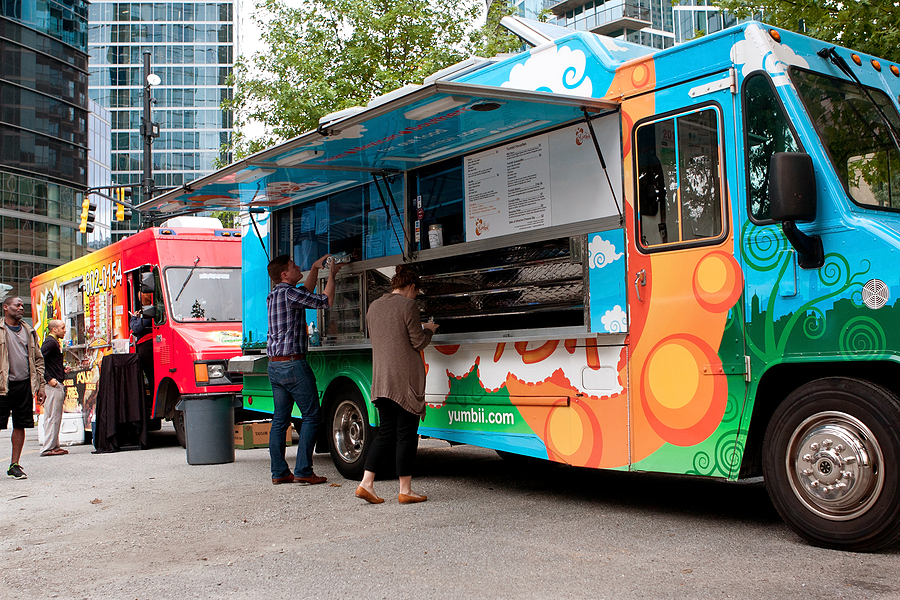
The food truck debate in St. Louis City has intensified in recent years, sparking conversations around permit regulations, health codes, and the ever-important issue of economic competition. As the food truck scene continues to expand, city officials and local businesses grapple with how to manage this burgeoning sector while maintaining fairness and safety across the board.
Advocates for food trucks argue that they provide a unique and flexible dining experience, often showcasing local cuisines and culinary innovations at more affordable prices. With the pandemic shifting consumer habits towards outdoor dining and takeout, food trucks have emerged as a popular option for residents seeking diverse meal choices. This shift encourages culinary entrepreneurship, allowing budding chefs to enter the food industry without the hefty investment of a brick-and-mortar restaurant.
However, the growth of food trucks has raised concerns among established restaurant owners. Many argue that food trucks enjoy fewer regulations compared to traditional eateries. This discrepancy can lead to feelings of unfair competition, as food trucks often avoid the high overhead costs associated with leasing property and paying various taxes. There is also the issue of street accessibility; food trucks can occupy prime parking spots that could otherwise house traditional restaurants, potentially affecting foot traffic and sales.
City regulators have attempted to address these concerns by implementing permit systems and health codes tailored specifically for mobile food vendors. However, the permit application process can be burdensome, deterring some food truck owners from navigating the red tape. Moreover, inconsistencies regarding where food trucks can operate and the times they are allowed to serve can lead to confusion and conflict.
In response to these challenges, ongoing community discussions include stakeholders such as local restaurant owners, food truck operators, and city officials. Some proposed solutions advocate for a more balanced approach that allows food trucks to thrive while providing protections for traditional businesses. This might include designated areas for food trucks, collaboration opportunities between mobile vendors and brick-and-mortar establishments, and clearer regulations that can benefit all parties involved.
As the debate unfolds, St. Louis City serves as a microcosm of a broader national discussion on the evolution of food culture, entrepreneurship, and urban planning. As stakeholders continue to navigate these complexities, the outcome could set important precedents for how cities across America manage the intersection of tradition and innovation in their culinary landscapes. Ultimately, finding a harmonious balance between food trucks and established restaurants could not only enrich St. Louis’s dining scene but also foster a spirit of collaboration and community growth amidst changing consumer preferences.
For more details and the full reference, visit the source link below:
Read the complete article here: https://stlouisrestaurantreview.com/food-truck-debate-st-louis-city/
