
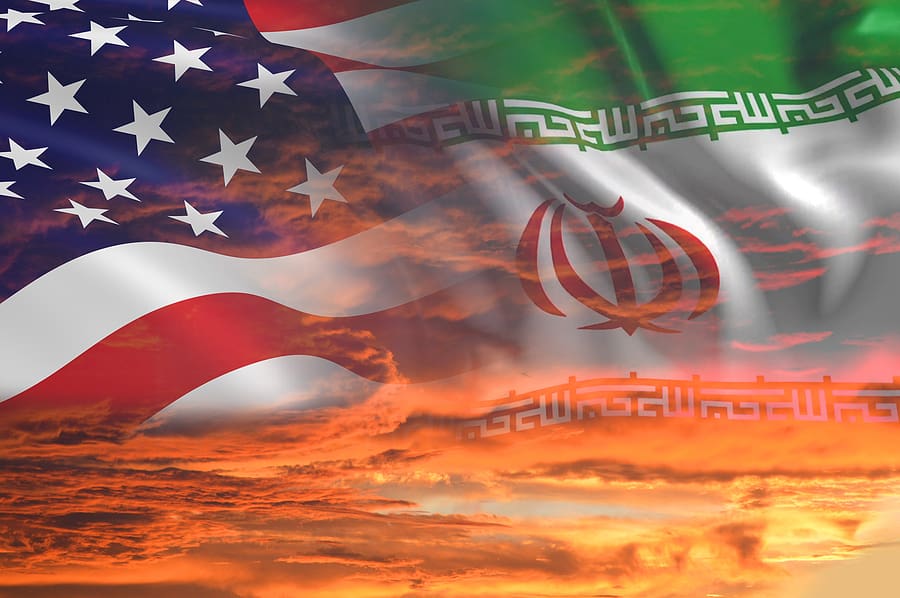
The ongoing conflict in Iran is at a critical juncture, marked by an escalating naval blockade that is reshaping global risks and geopolitical dynamics. This blockade, executed predominantly by a coalition of Western and allied naval powers, is aiming to curtail Iran’s ability to export its oil—a significant source of revenue for the nation. As sanctions tighten and military pressures mount, the impact on regional stability and global markets becomes increasingly pronounced.
The naval blockade has effectively heightened tensions in the Persian Gulf, a vital pathway for international shipping and energy supplies. Iran, with its strategic position controlling critical maritime chokepoints, perceives the blockade not merely as an economic assault but a direct threat to its sovereignty. This perception has led to a series of bold responses, including threats to challenge the blockade and retaliatory maneuvers that could endanger maritime traffic and escalate the conflict into a broader confrontation.
The implications of this blockade are multi-faceted. Firstly, the disruption of Iranian oil shipments threatens to drive up global oil prices, which already remain volatile amid post-pandemic recovery demands. Countries reliant on Iranian energy may face supply shortages, leading to economic instability that could reverberate worldwide. Furthermore, higher oil prices could reignite inflationary pressures in several economies, exacerbating existing economic challenges.
Secondly, the blockade has become a catalyst for shifting alliances. Regional players such as Saudi Arabia and the United Arab Emirates see an opportunity to consolidate their positions against Iran, potentially leading to deeper military collaborations with Western powers. Conversely, China and Russia, who have historically supported Iran, may choose to deepen their ties as a counterweight to perceived Western hegemony, complicating the global diplomatic landscape.
Moreover, the rising stakes of the naval blockade could usher in a new phase in the conflict. With both military and economic dimensions intertwined, the risk of miscalculation increases. Incidents at sea involving Iranian naval forces and U.S. or allied ships could spark unintended escalations, pushing both sides toward open conflict.
In this volatile context, diplomatic efforts remain crucial but challenging. While negotiations surrounding Iran’s nuclear program have long been a focal point, the nexus of energy security and military engagement necessitates a broader dialogue that addresses underlying regional tensions.
As we approach what may be a pivotal moment in this conflict, the global community must tread carefully. The stakes are high—not just for the nations directly involved, but for the balance of power and stability in a region that plays a crucial role in global energy and economic systems. The need for strategic foresight and proactive diplomacy has never been more urgent.
For more details and the full reference, visit the source link below:
