
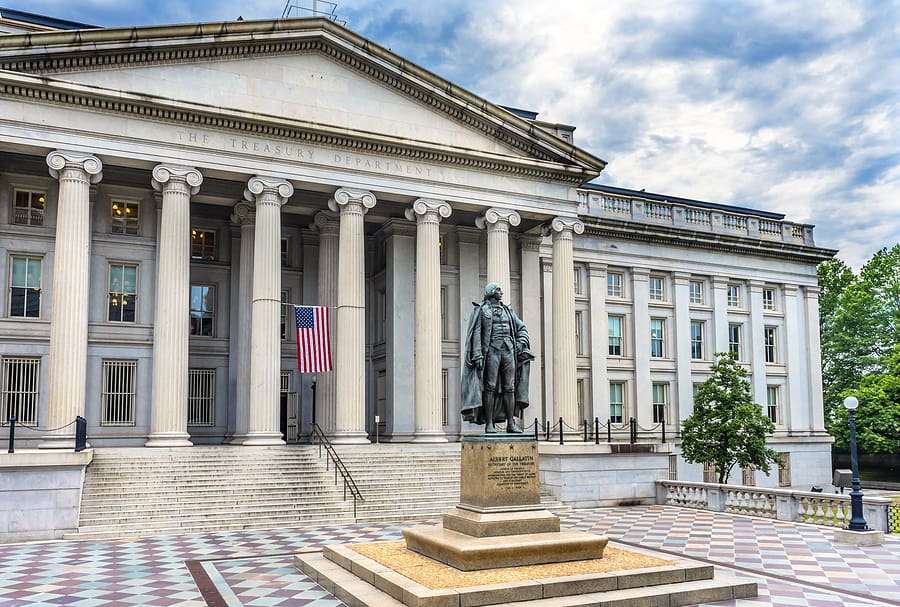
The U.S. Treasury Department’s recent decision to designate BNY Mellon as a financial agent marks a significant milestone for both the institution and the federal government. This designation reflects the Treasury’s confidence in BNY Mellon’s capabilities to manage and facilitate various financial operations that are crucial for maintaining the stability and efficiency of U.S. financial markets.
As a financial agent, BNY Mellon is entrusted with a range of responsibilities, including the management of government securities and the handling of transactions for various federal programs. The firm’s extensive experience in managing large-scale financial assets, combined with its rich history dating back over 230 years, positions it well for this role. BNY Mellon has long been recognized as a leader in investment management and services, and this new designation further solidifies its reputation as a critical partner for government financial operations.
One of the primary reasons for BNY Mellon’s selection is its robust technological infrastructure. In today’s rapidly evolving financial landscape, technology is paramount for efficient operations. BNY Mellon’s advanced platforms will support the Treasury Department in executing transactions smoothly and securely, thereby enhancing the efficiency of government financial activities. Digital innovations, data analytics, and cybersecurity measures will enable BNY Mellon to effectively safeguard sensitive financial information while ensuring the timely execution of transactions.
Furthermore, the designation comes at a time when the need for financial stability and efficient government operations is more crucial than ever. With economic uncertainties and the ongoing recovery from the impacts of the COVID-19 pandemic, the Treasury Department relies on trusted institutions to help manage public funds. BNY Mellon’s role as a financial agent will be instrumental in supporting governmental initiatives, from disbursing stimulus funds to managing national debt.
The Treasury’s decision also indicates an emphasis on collaboration and partnership between the government and the private sector. This cooperative approach can lead to greater transparency and enhanced accountability in financial dealings, ultimately benefiting taxpayers and the broader economy.
In conclusion, the Treasury Department’s designation of BNY Mellon as a financial agent is not just a commendation of the firm’s historical prowess but also a strategic move towards enhancing the efficiency of government financial operations. As BNY Mellon steps into this pivotal role, it is poised to contribute significantly to the treasury’s mission of fostering economic stability and facilitating essential government functions. This partnership stands to reinforce the integrity and efficacy of the U.S. financial system in the years ahead.
For more details and the full reference, visit the source link below:
