
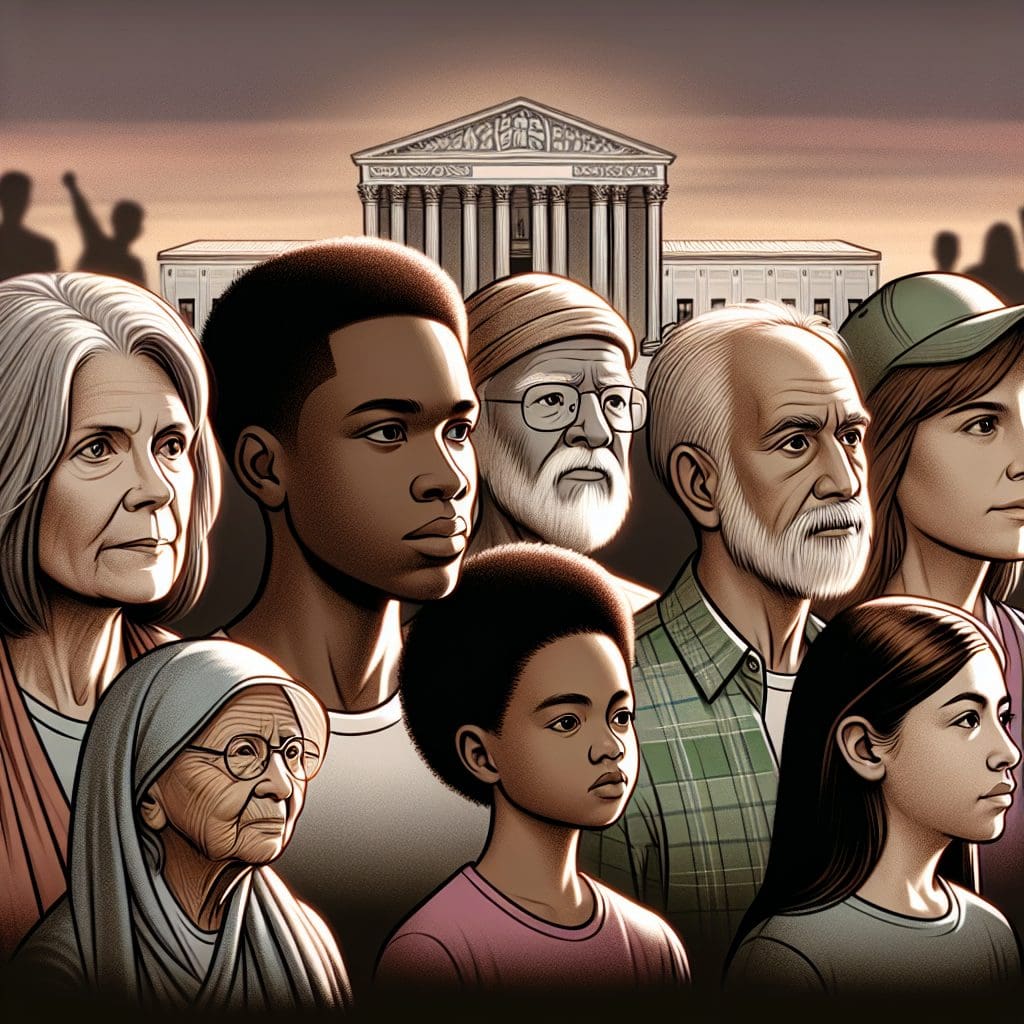
The recent decision by the U.S. Supreme Court to nullify a nationwide ban on conversion therapy has sent shockwaves through the LGBTQ+ community, particularly among survivors of this controversial and discredited practice. Conversion therapy, which attempts to change an individual’s sexual orientation or gender identity, has been widely condemned by major medical organizations as harmful and ineffective. Survivors of these therapies often carry deep emotional scars, and this ruling has reignited fears about the potential resurgence of these damaging practices.
For many survivors, the Supreme Court’s ruling feels like a setback in the longstanding fight for LGBTQ+ rights and protections. Many individuals have braved the trauma of conversion therapy, often subjected to psychological manipulation, emotional abuse, and sometimes physical harm, in attempts to adhere to restrictive societal norms surrounding sexuality and gender. The thought of more individuals facing similar experiences due to the absence of legal protections is understandably distressing. Survivors report a complex mix of emotions, including anxiety, anger, and disappointment, as they grapple with the implications of this ruling.
The decision also raises concerns about the effectiveness of existing state-level bans and the support systems for LGBTQ+ individuals, making many feel vulnerable again. In the wake of the ruling, survivors fear the normalization of harmful practices that many thought were relegated to the past. They worry about the undermining of hard-won rights and the possibility of families seeking out conversion therapy as an option for their LGBTQ+ children, often driven by societal and religious pressures.
Advocacy groups are reacting quickly, mobilizing to raise awareness and to push for renewed legislative efforts at both state and federal levels. These organizations emphasize the importance of education and support for those affected by conversion therapy, stressing that survivors deserve to have their voices heard. They aim to create safe spaces where individuals can share their experiences and seek healing, reminding the community that they are not alone.
Furthermore, mental health professionals are stepping up to address the needs of survivors. They are actively encouraging dialogues about the trauma associated with conversion therapy, providing resources for healing, and advocating for policies that protect LGBTQ+ rights. This moment serves as a rallying point for advocates who are committed to ensuring that the harms of the past are not repeated.
The Supreme Court’s decision is more than a legal ruling; it is a call to action. As survivors recount their harrowing experiences, their stories underline the urgent need for protection against practices that seek to undermine basic human dignity and acceptance. The fight against conversion therapy is far from over, and survivors are determined to ensure that their pain leads to meaningful change.
For more details and the full reference, visit the source link below:
