
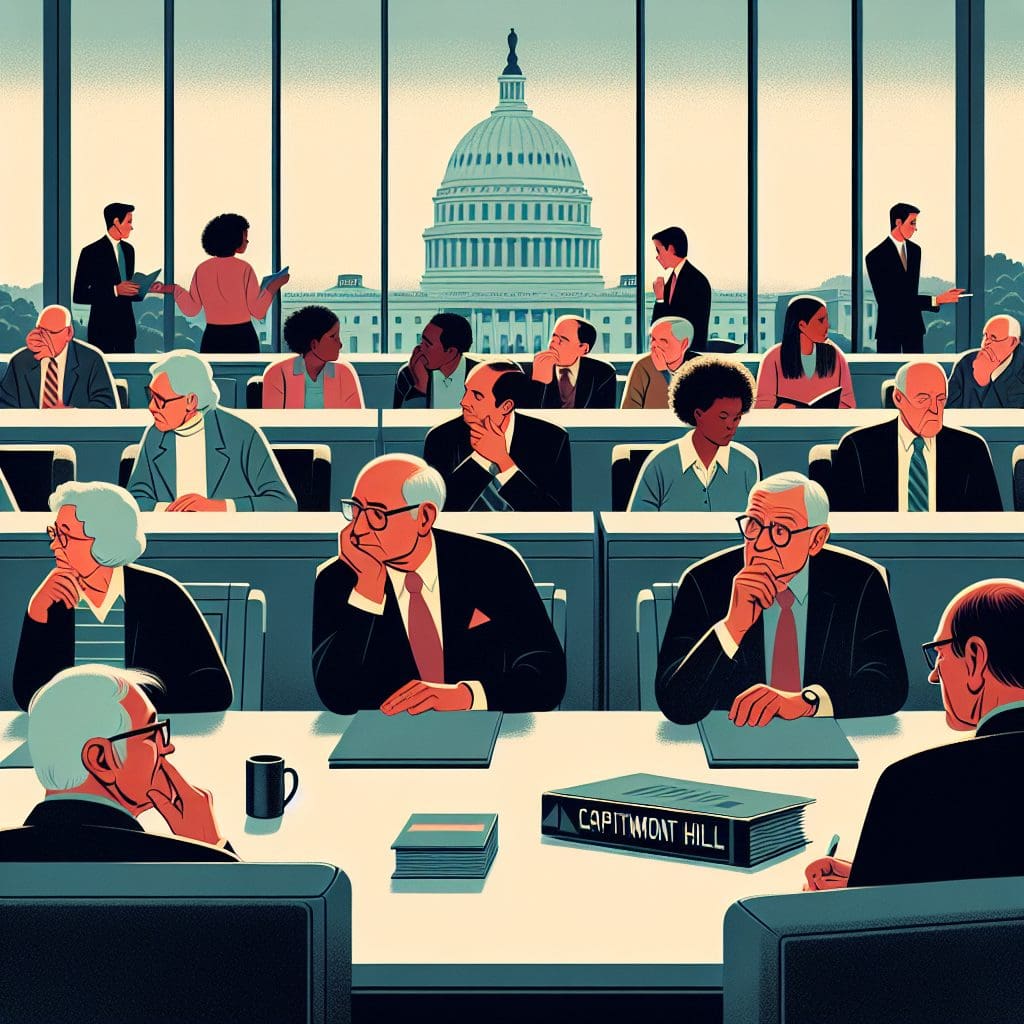
In recent months, thousands of federal workers have been contemplating early retirement options, driven primarily by a combination of economic factors, workforce dynamics, and personal objectives. With the ongoing shift in workplace culture, exacerbated by the COVID-19 pandemic, many employees are reevaluating their career paths and life priorities.
One of the significant motivations for considering early retirement is the desire for flexibility and time. The pandemic has redefined work-life balance for many employees. Federal workers have witnessed firsthand the impact of remote work, with many appreciating the extra time gained from eliminating commutes and the ability to engage more with their families. As organizations adapt to hybrid models, some workers are realizing that they can achieve a comfortable life outside of a traditional full-time career, leading them to explore retirement options sooner than anticipated.
Moreover, financial considerations play a pivotal role. Many federal employees have experienced stock market fluctuations and economic uncertainty, prompting them to analyze their financial readiness for retirement. The federal retirement system offers various packages, and employees are assessing whether their current savings, pensions, and health benefits will sustain their desired lifestyle post-retirement. The decision to retire early often hinges on a delicate balance of financial security and the pursuit of personal happiness.
Additionally, the federal workforce is undergoing significant changes, with many employees reaching retirement eligibility age. This wave of retirements can create gaps in vital government services and functions, prompting younger employees to step into leadership roles. As seasoned workers leave, it’s imperative for agencies to ensure knowledge transfer and mentorship programs to sustain institutional memory and expertise.
Employee morale and job satisfaction also impact the decision to retire early. Many federal workers report feelign unfulfilled, underappreciated, or overwhelmed by administrative pressures. The push for early retirement signals a desire for fulfillment beyond traditional employment, as employees increasingly seek roles that align with their passions or allow for philanthropic pursuits.
In conclusion, the trend of thousands of federal workers considering early retirement reflects a complex interplay of personal desires, economic realities, and shifting workplace expectations. As the workforce evolves, agencies must adapt their strategies to attract and retain talent while respecting the needs of those who wish to transition into retirement. Ultimately, this represents a critical period of transformation within the federal sector that requires concerted efforts to ensure both organizational sustainability and workforce satisfaction.
For more details and the full reference, visit the source link below:
