
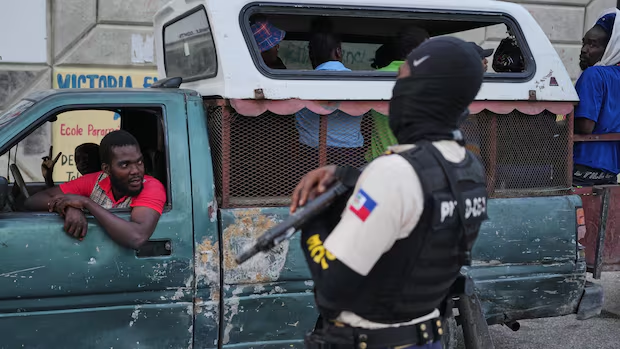
Gang violence in Haiti has reached alarming levels, especially in the agricultural areas that are critical for the country’s food security. Following a recent weekend massacre that claimed the lives of multiple individuals, the repercussions of gang activity have become a pressing concern for residents and authorities alike.
In recent years, Haiti has been grappling with an escalating wave of violence led by armed gangs that have gained significant control over neighborhoods and rural regions. These gangs not only engage in violent confrontations with rivals but also instill fear in the local population through extortion and kidnappings, disrupting day-to-day life and economic stability.
The recent massacre, characterized by its brutality, served as a stark reminder of the pervasive insecurity that threatens the very foundation of communities that rely on agriculture. With gangs now entrenched in these regions, farmers find themselves caught in a crossfire as they attempt to cultivate and harvest their crops. In many cases, they are forced to pay “protection” fees to gang leaders just to engage in their agricultural practices. This adds an additional layer of strain on a population that is already battling poverty and political instability.
The implications of this violence extend beyond immediate safety concerns. Haiti’s agricultural sector is vital not only for feeding its population but also for generating income. Farmers often face disruptions that lead to diminished yields, affecting food availability and contributing to increasing prices in local markets. As insecurity continues to rise, the prospect of long-term agricultural sustainability remains bleak, leading to potential food shortages.
Humanitarian organizations are struggling to respond to the crises created by gang violence. With insecurity limiting access to affected areas, providing aid and resources becomes increasingly complex. Villagers, often too frightened to leave their homes, are left without critical supplies, and food distribution efforts are stymied. This creates a vicious cycle of despair and desperation.
As calls for government intervention grow louder, the current administration is faced with the daunting task of restoring order and trust in a country riddled with corruption and instability. Effective engagement with local communities is essential to restore faith and provide a sense of security. However, efforts will require substantial support from the international community, including both financial resources and strategic planning.
In conclusion, gang violence in Haiti’s agricultural areas poses a multifaceted challenge that threatens the safety, livelihoods, and food security of countless individuals. Addressing this crisis is urgently needed to prevent further deterioration of both social stability and agricultural productivity. Without decisive action, the cycle of violence and poverty will continue, leaving an entire nation in jeopardy.
For more details and the full reference, visit the source link below:
