
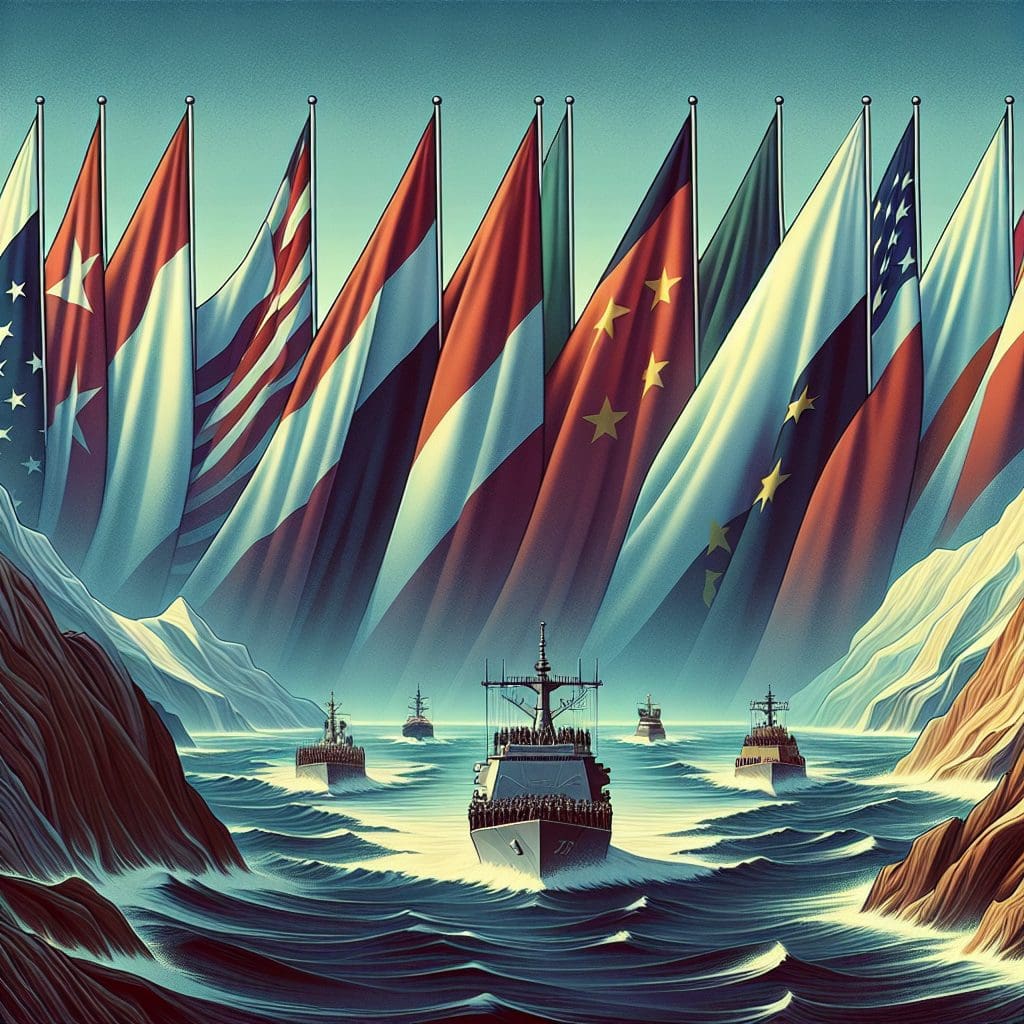
The Strait of Hormuz, a vital maritime chokepoint through which a significant portion of the world’s oil supply passes, has long been a focal point of geopolitical tensions. In recent years, the prospect of U.S. military engagement in this region under the Trump administration raised concerns among American allies, prompting hesitation in their support for potential military actions.
One primary reason allies express hesitance towards U.S. support for Trump’s approach in the Strait of Hormuz is unpredictability in his foreign policy. Trump’s “America First” doctrine often prioritizes U.S. interests over traditional alliances, fostering uncertainty about Washington’s commitment to collective defense agreements. For countries that depend on U.S. military support against regional threats, this unpredictability raises fears about whether they can rely on the U.S. to act in their best interests.
Moreover, Trump’s unorthodox methods of diplomacy, including his tendencies to engage in confrontational rhetoric rather than dialogue, exacerbate tensions rather than alleviate them. Allies are concerned that an aggressive U.S. stance could provoke further military escalation in the region. Many European nations, in particular, prefer multilateral approaches that emphasize diplomacy and negotiation over military solutions.
Economic implications also weigh heavily on allies’ hesitance to support Trump’s agenda. Military involvement in the Strait of Hormuz risks disrupting oil transportation and causing price volatility that would negatively impact global markets. Allies with significant economic ties to Iran, such as France and Germany, are wary of U.S. policies that could compromise trade relations and economic stability.
Moreover, the potential for regional backlash cannot be overlooked. U.S. allies in the Middle East are cautious about a direct confrontation with Iran, fearing that it could destabilize their own regimes and provoke retaliatory actions. Countries like Saudi Arabia, while publicly supportive of U.S. actions, are privately concerned about the potential repercussions of a new conflict in their proximity.
Additionally, the shifting landscape of global power dynamics complicates allies’ positions. As China and Russia expand their influence in the Middle East, many nations are reevaluating their foreign policies and looking for a more balanced relationship with multiple global powers. This strategic recalibration makes them hesitant to fully align with a potentially unilateral U.S. stance under Trump.
In conclusion, the combination of unpredictability in U.S. foreign policy, economic concerns, fears of regional destabilization, and the changing global landscape contributes to allied hesitance in supporting Trump’s approaches in the Strait of Hormuz. This reluctance reflects a more profound questioning of traditional alliances and the efficacy of U.S. leadership in addressing complex geopolitical challenges.
For more details and the full reference, visit the source link below:
