
As inflation continues to rise, the impact on food prices has been felt across the globe, profoundly influencing the way restaurants curtail their menus and reshape their offerings. The rising cost of ingredients has forced many establishments to become more resourceful, often leading to changes that reflect both economic realities and culinary creativity.
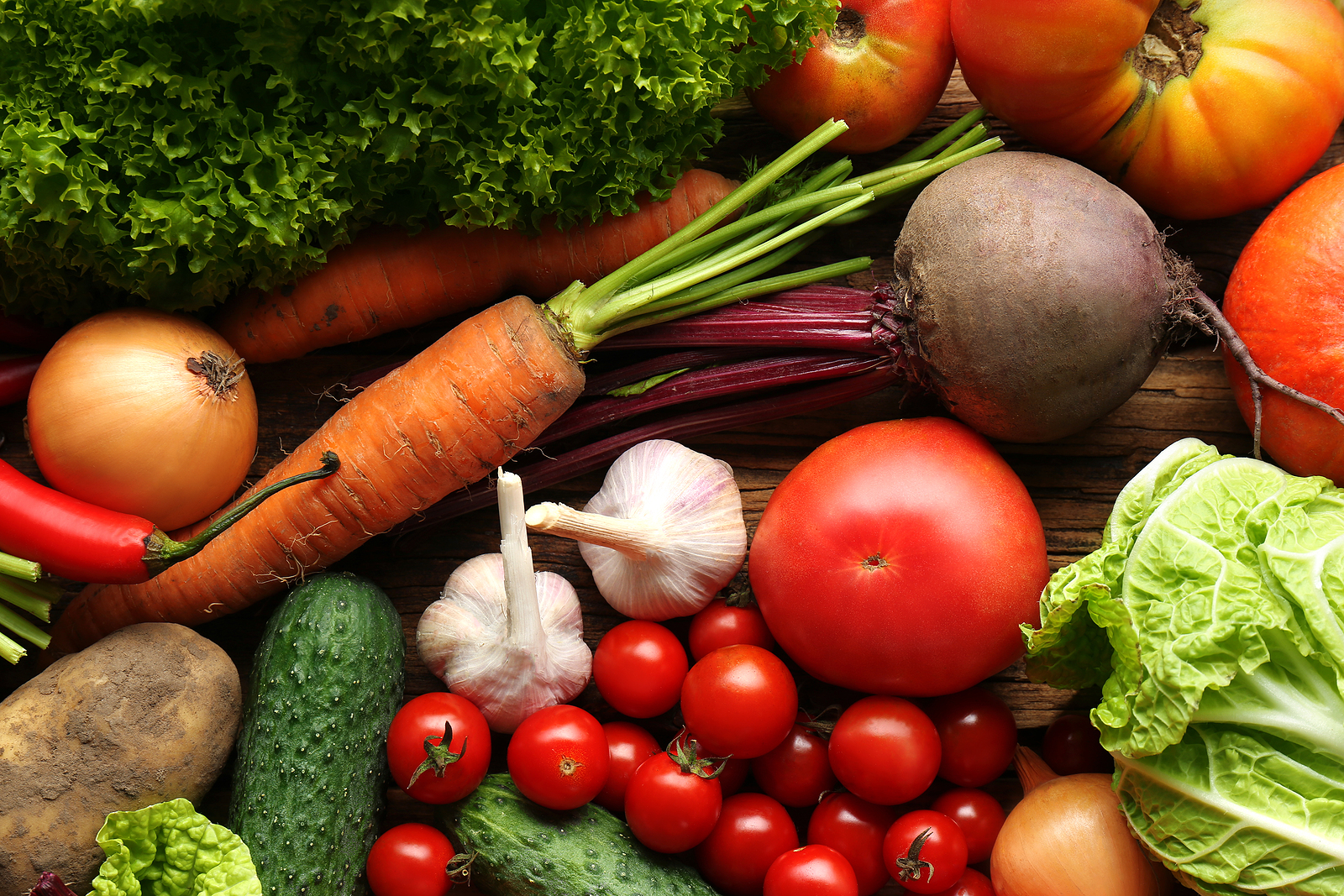
One of the most significant shifts is an increased focus on cost-effective ingredients. Restaurants are increasingly turning to local and seasonal produce, which not only tends to be less expensive but also allows chefs to craft menus that showcase freshness and local flavors. This practice not only helps manage costs but can also resonate with patrons who prefer sustainable and farm-to-table dining experiences.
Additionally, many restaurants are revising their portion sizes. Smaller plates or shareable items have become popular, allowing restaurants to maintain quality while controlling costs. This strategy can entice customers to order more items, ultimately balancing profitability with customer satisfaction. In many cases, this leads to a more collaborative dining experience, encouraging guests to sample a variety of dishes instead of committing to a single entree item.
Another notable change is the increased reliance on alternative proteins. With the high costs of traditional meat sources, establishments are exploring plant-based options or incorporating less common proteins, such as legumes, grains, or fish, into their menus. This not only caters to the growing demand for vegetarian and vegan options but also helps reduce costs without sacrificing flavor or quality.
Dynamic pricing strategies are also becoming more prevalent. Restaurants may adjust their prices based on market fluctuations, offering daily specials that leverage currently affordable ingredients. This flexibility helps restaurants sustain profitability while still offering enticing options for customers willing to try new dishes.
Moreover, the trend towards creating simplified menus has emerged as a practical response to rising food costs. By streamlining their offerings, restaurants can reduce waste, narrow down ingredients, and simplify the supply chain, ultimately leading to better price control and operational efficiency. Fewer menu items can also make decision-making easier for patrons, enhancing their overall dining experience.
In an era marked by rising food costs, chefs and restaurateurs are navigating challenges with ingenuity and adaptability. The key to surviving in this landscape lies in creativity, as the evolving restaurant menu landscape reflects both economic challenges and a vibrant culinary evolution. Diners are likely to find dishes that are not only affordable but also innovative, diverse, and rooted in sustainability, showcasing the resilience of the culinary industry amidst economic pressures.
For more details and the full reference, visit the source link below:
