
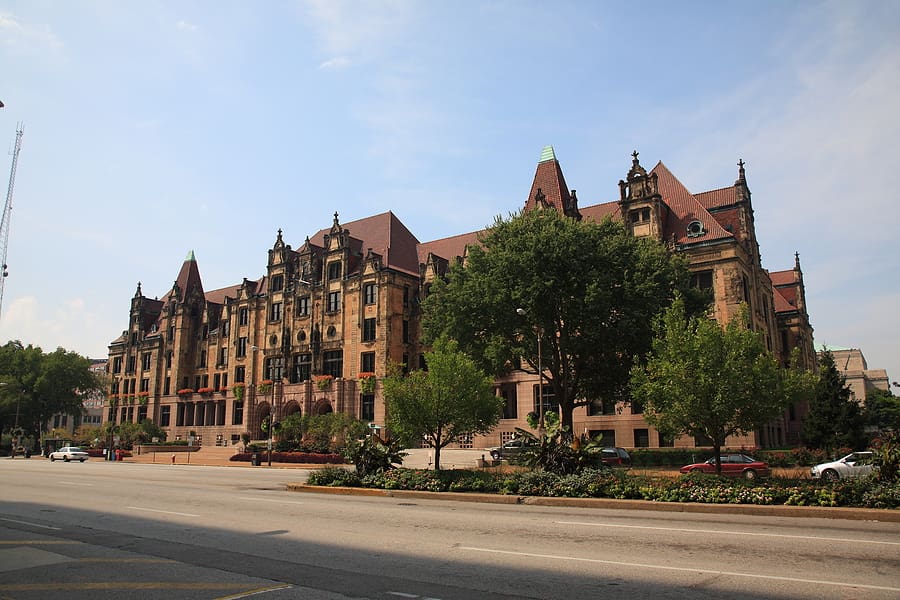
In an ever-evolving urban landscape, cities often grapple with various challenges ranging from economic downturns to social inequalities. At the heart of these complexities lies the urgent necessity for transformative leadership. Leadership change may indeed be the city’s only path forward when existing frameworks fail to sufficiently address the needs of its residents and foster sustainable growth.
First and foremost, leadership often dictates the vision and direction of a city. When leaders are out of touch with the evolving needs and aspirations of their constituents, stagnation ensues. Economic revitalization, for example, requires leaders who are skilled in modern economic trends and inclusive practices. New leadership can bring innovative ideas, fresh perspectives, and modern strategies that are essential for today’s challenges, such as climate change and socioeconomic disparities.
Moreover, leadership change can reinvigorate public trust. In many cities, disillusionment with established leaders can lead to apathy among constituents, diminishing civic engagement. A new leader often embodies hope and the promise of renewal, fostering a sense of participation and ownership among residents. Community involvement is pivotal; when citizens feel their voices matter, they are more likely to contribute to positive change. A leadership transformation can cultivate that spirit, encouraging collaboration and innovative problem-solving.
Another crucial aspect is the adaptability of leadership. The modern urban environment is fraught with uncertainty and rapid changes, from technology to social dynamics. Leaders who have become cemented in their roles may be reluctant or unable to pivot effectively. Fresh leadership brings agility and responsiveness, essential traits needed to navigate crises. For instance, the COVID-19 pandemic underscored the importance of dynamic decision-making. Cities that successfully adapted did so under proactive leaders willing to reevaluate and redirect strategies in real time.
Additionally, leadership change can help dismantle entrenched systems of inequality. Long-standing leaders may inadvertently perpetuate outdated policies that favor the status quo, leaving marginalized communities underserved. New leaders with a focus on equity and inclusivity can challenge these structures, ensuring that all voices are heard and represented in the decision-making process. By prioritizing diverse perspectives, cities can develop more holistic solutions that foster community resilience.
In conclusion, the path forward for many cities may be contingent upon seeking transformative leadership. By embracing change, cities not only stand to benefit from innovative ideas and renewed public trust but also cultivate an environment where adaptability and inclusivity are at the forefront. Thus, leadership change is not merely a strategy; it is an essential catalyst for progress, one that can steer urban landscapes toward a brighter, more equitable future.
For more details and the full reference, visit the source link below:
