
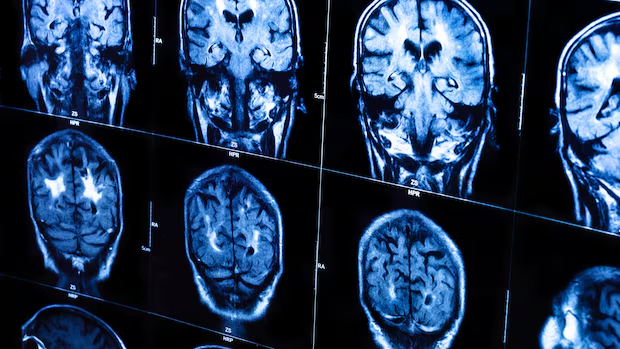
Mobile brain scans, once a concept relegated to the realm of science fiction, are now transforming healthcare in Canada by providing accessible and timely medical imaging for patients. This innovative technology allows for brain scans to be conducted outside of traditional hospital settings, effectively bridging the gap between advanced neuroscience and practical patient care.
The implementation of mobile brain scanning units is particularly crucial in Canada, where vast geographical distances can hinder access to specialized medical services. Patients living in remote areas often face significant travel times to reach hospitals equipped with advanced imaging technologies. Mobile brain scans can be deployed directly to these communities, offering immediate diagnostic capabilities. This not only reduces travel burdens but also accelerates the diagnosis and treatment of neurological conditions ranging from concussions to more severe diseases like epilepsy and brain tumors.
The technology behind mobile brain scans utilizes portable devices that harness advanced imaging techniques, such as MRI or CT scans, in a more compact and transportable format. These units are designed with flexibility in mind, allowing healthcare providers to conduct scans in a variety of settings, including community centers, schools, and even in patients’ homes. The mobility of these units enhances patient comfort and adherence to follow-up care, as it eliminates the stress often associated with hospital visits.
In addition to improving access, mobile brain scans have significant implications for public health. They facilitate early detection of neurological disorders, which is critical for effective treatment. Early diagnosis can lead to better management of conditions, ultimately improving patient outcomes and reducing long-term healthcare costs. For example, individuals with early-stage Alzheimer’s disease might receive timely interventions that slow disease progression and maintain quality of life.
The integration of mobile brain scanning technology into the healthcare system also fosters collaborative approaches among interdisciplinary teams. Neurologists, emergency medical technicians, and primary care providers can work together more efficiently, empowered by access to real-time data. This collaboration ensures that patients receive comprehensive care tailored to their immediate needs.
Furthermore, such advancements in medical imaging are paving the way for ongoing research and innovation within neuroscience. Researchers can gather more data from diverse populations, leading to deeper insights into brain health and disease, ultimately enhancing the overall understanding of neurological conditions.
In summary, mobile brain scans are a groundbreaking development in Canadian healthcare, offering enhanced accessibility and improving patient outcomes. As this technology continues to evolve, it holds the promise of making brain health monitoring universally accessible, regardless of location. The future of neurology is indeed here.
For more details and the full reference, visit the source link below:
