
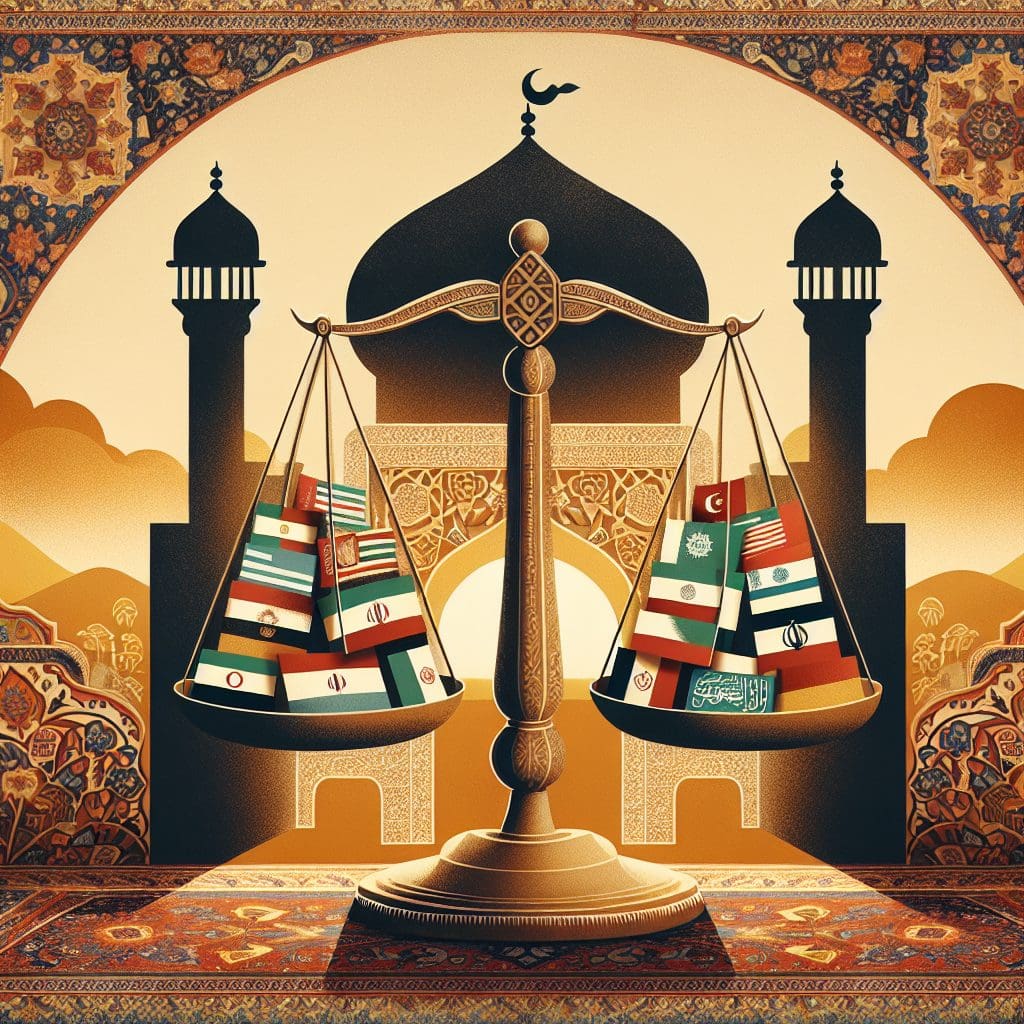
Iran, a nation steeped in history and culture, occupies a complex position in the global arena. Its relationships with various countries are shaped by historical, ideological, and geopolitical factors, making it both a partner and adversary to different states.
Partners
-
Russia: Iran’s relationship with Russia has evolved into a strong strategic partnership, particularly in military and energy sectors. Both nations share common interests in countering Western influence in the region and have collaborated in Syria to support the Assad regime against opposition forces. Additionally, their cooperation extends to nuclear energy, with Russia helping Iran develop its Bushehr nuclear power plant.
-
China: China has emerged as one of Iran’s most significant partners, particularly in economic terms. The 25-year cooperation agreement signed in 2021 includes extensive cooperation across various sectors, including energy, infrastructure, and technology. As Iran faces sanctions, China’s investments are crucial for its economy, making it a pivotal ally in Tehran’s efforts to counter Western pressures.
-
Venezuela: Another notable partnership is with Venezuela, often framed through a shared stance against U.S. imperialism. Both countries have engaged in mutual support, particularly in the oil sector, where they collaborate to bypass sanctions and enhance their economies. This partnership reflects a broader trend of leftist governments uniting against perceived Western domination.
Adversaries
-
United States: The U.S. is perhaps Iran’s most significant adversary, with tensions dating back to the 1979 Iranian Revolution. The imposition of sanctions aimed at curbing Iran’s nuclear program has severely impacted its economy. The U.S. military presence in the region, alongside its alliances with countries like Israel and Saudi Arabia, exacerbates hostilities. Additionally, the U.S. supports opposition movements within Iran, further deepening the divide.
-
Saudi Arabia: Iran and Saudi Arabia are locked in a regional power struggle, often manifesting through proxy conflicts in places like Yemen and Syria. The rivalry is not just ideological, rooted in Sunni-Shia divisions, but also geopolitical, with both nations vying for influence in the Middle East. Their competition has led to significant regional destabilization and has fostered sectarian violence.
-
Israel: The relationship between Iran and Israel is marked by mutual hostility. Iran’s support for militant groups like Hezbollah and Hamas poses a direct threat to Israeli security. In response, Israel has conducted operations to thwart Iranian influence in Syria and counteract its military capabilities, particularly regarding nuclear developments.
In conclusion, Iran’s interactions on the global stage are nuanced and multifaceted. While it enjoys strong partnerships with countries like Russia and China, it faces significant adversities from the U.S., Saudi Arabia, and Israel. These dynamics shape not only Iran’s foreign policy but also the wider geopolitical landscape of the Middle East and beyond.
For more details and the full reference, visit the source link below:
Read the complete article here: https://www.stl.news/a-guide-to-irans-partners-and-adversaries/
