
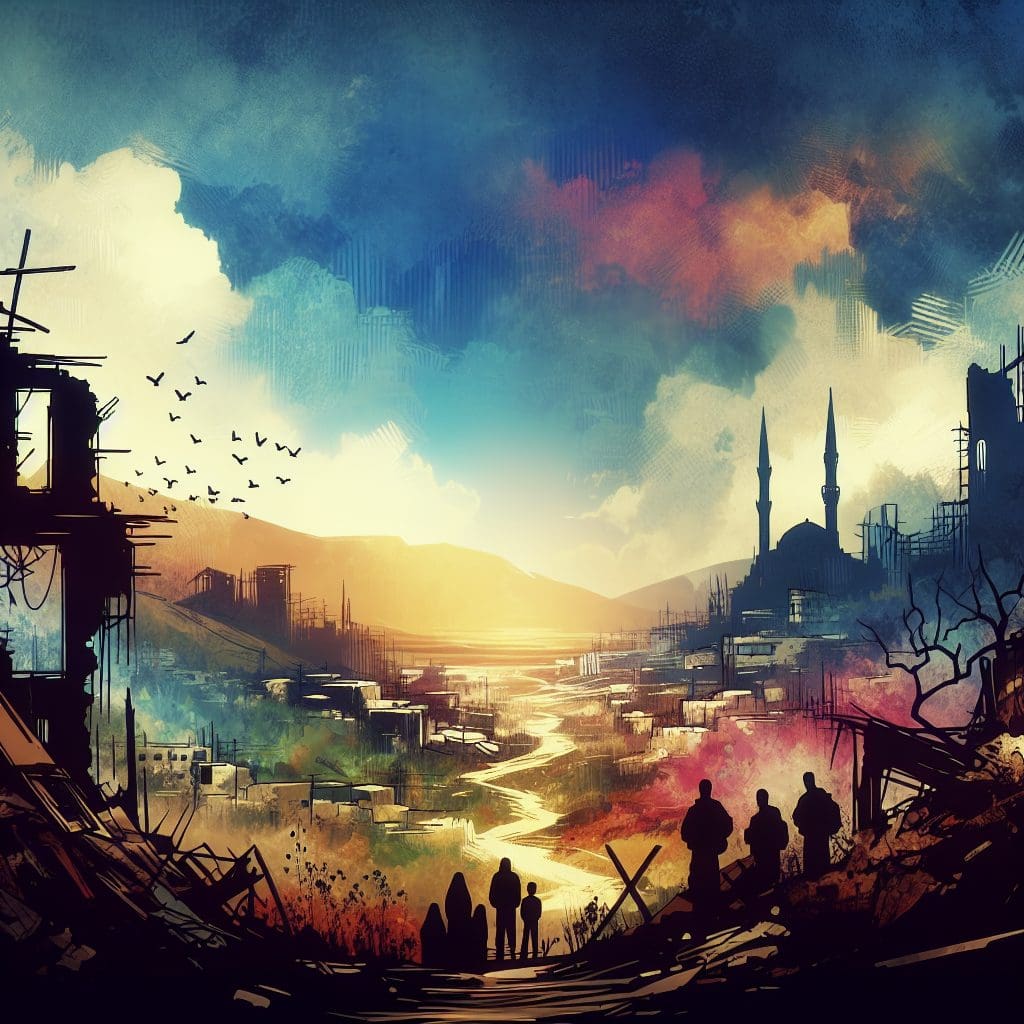
Amidst the tumultuous backdrop of war and instability in Iran, there exists a flicker of hope among segments of the population for a potential shift in leadership. The socio-political landscape has been shaped by decades of authoritarian governance, economic hardship, and the ravages of conflict. As the Iranian people continue to bear the brunt of these challenges, many are increasingly vocal about their desire for change.
The impact of war in Iran is pervasive, affecting not only the economy but also the very fabric of society. Sanctions and military actions have exacerbated inflation, unemployment, and poverty, leaving countless families struggling to make ends meet. In urban centers, protests against the regime have erupted, fueled by grievances over lack of political freedom, social injustice, and the dire economic situation. This grassroots discontent has become a rallying point for those yearning for a new direction. The younger generation, in particular, has shown a willingness to challenge the status quo, powered by social media and a desire for a more democratic future.
Amid this atmosphere of unrest, hopes for a leadership change are closely tied to the aspirations for greater transparency and accountability. Many Iranians envision a government that prioritizes the welfare of its citizens over ideological pursuits. The frustration with the current leadership is palpable, as it often appears disconnected from the everyday realities that affect the lives of ordinary people. As calls for reform intensify, individuals across various sectors—activists, intellectuals, and even former government officials—are advocating for new candidates who reflect a commitment to democratic principles and human rights.
In recent years, there have been glimpses of alternative leadership emerging from within the fabric of Iranian society. Grassroots movements and political dissidents have started to coalesce, promoting candidates who champion reform and aspire to rebuild the nation’s image on the international stage. These efforts are fueled by a widespread desire for national unity and reconciliation, transcending ideological divisions that have long plagued the country.
However, the path to change remains fraught with challenges. The current regime’s grip on power is robust, and its response to dissent is often draconian. Yet, the resilience of the Iranian people is undeniable, as they continue to push for a future that is more just and inclusive. Their hopes for a shift in leadership are not just about replacing leaders; they symbolize a yearning for a peaceful resolution to conflict and the establishment of a more prosperous society where everyone has a stake in the nation’s future.
In this complex landscape, the dreams of the Iranian people serve as a reminder that even in the darkest of times, the quest for justice and better governance remains an unwavering beacon of hope.
For more details and the full reference, visit the source link below:
