
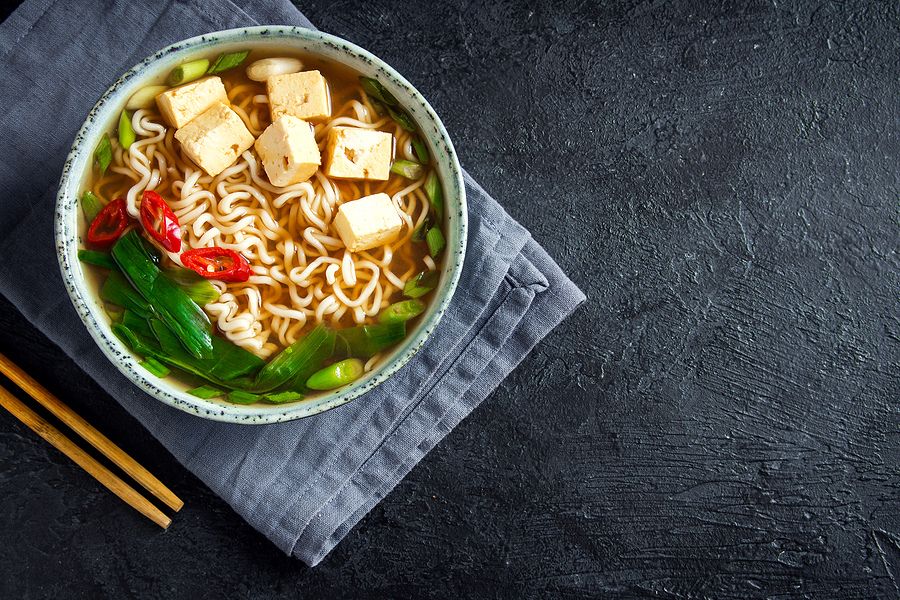
Ramen and pho are two beloved noodle dishes that have gained immense popularity globally, but they originate from distinctly different culinary traditions—Japanese and Vietnamese, respectively. Though both dishes feature noodles and broth, they vary significantly in flavor, ingredients, and preparation.
Origins and Cultural Significance
Ramen’s roots trace back to China, but it evolved in Japan into a staple food with various regional variations. Urban centers like Tokyo and Osaka have developed unique iterations, with ingredients reflecting local tastes. Pho, on the other hand, is a quintessential Vietnamese dish, with origins connected to northern Vietnam. It symbolizes Vietnamese hospitality and reflects the country’s complex history and culture, making it a national treasure.
Broth and Flavors
One of the primary differences lies in the broth. Ramen broth is typically rich and deeply flavored, often derived from pork, chicken, or seafood. It is usually seasoned with soy sauce, miso, or salt, creating a savory umami profile that varies by region. Cooking the broth can be a meticulous process, sometimes simmering for hours to achieve a profound depth of flavor.
Pho’s broth is lighter, clear, and fragrant, primarily made from simmering beef bones or chicken with spices such as star anise, cinnamon, cloves, and ginger. The resulting taste is aromatic and showcases a delicate balance of sweet and savory, often garnished with fresh herbs like basil and cilantro, alongside lime and bean sprouts.
Noodles
The noodle varieties also differ significantly. Ramen noodles are generally made from wheat and are characterized by their chewiness and various thicknesses, depending on the style. They often have a firm texture and can be curly or straight. Conversely, pho noodles are flat rice noodles, known as bánh phở, which have a softer, more delicate texture.
Toppings and Garnishes
While both dishes offer a range of toppings, the choices often reflect their cultural origins. Ramen can be topped with chashu (braised pork), menma (fermented bamboo shoots), and nori (seaweed), among others. Pho typically features sliced beef or chicken, along with fresh herbs, lime, and chili, allowing diners to customize their bowls according to personal preferences.
In Summary
While ramen and pho share the fundamental elements of noodles and broth, they diverge in their flavor profiles, ingredients, and cultural significance. Each dish offers a unique taste experience that reflects its respective heritage. Whether indulging in a hearty bowl of ramen or a fragrant bowl of pho, food lovers around the world celebrate the diversity and deliciousness of these iconic noodle dishes.
For more details and the full reference, visit the source link below:
