
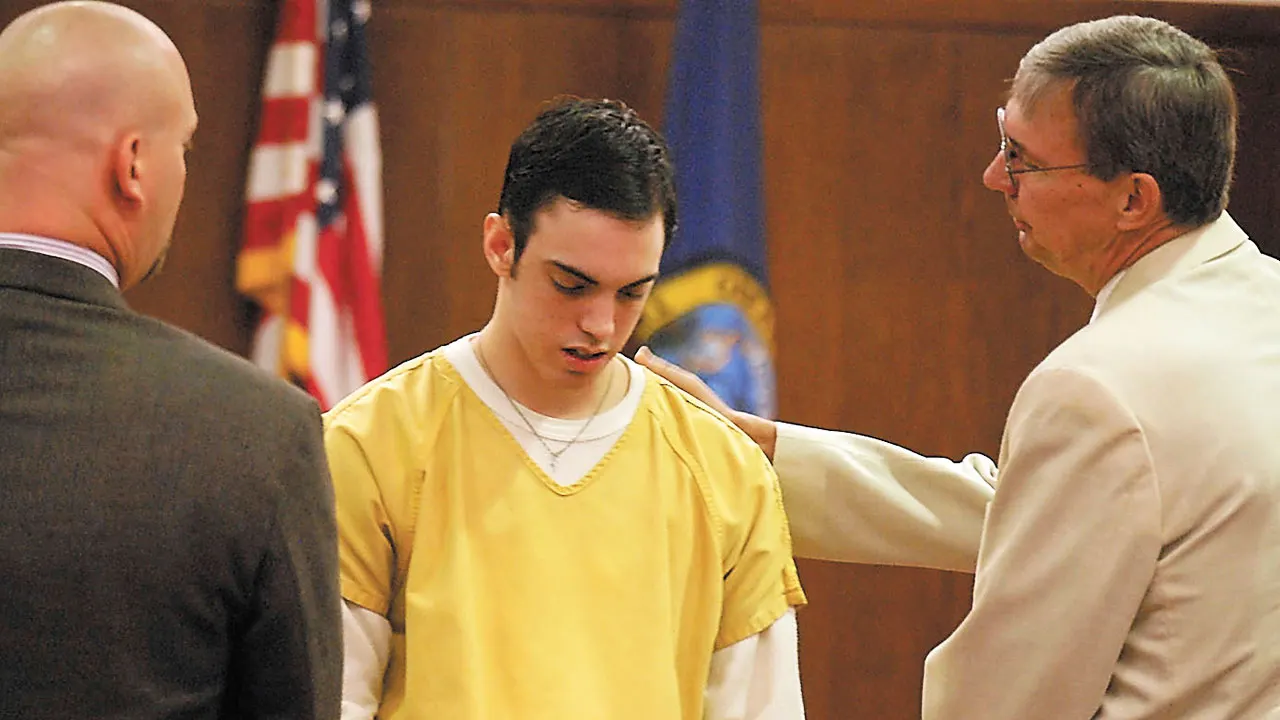
In 2006, the murder of 16-year-old Cassie Jo Stoddart sent shockwaves through the small town of Pocatello, Idaho. Cassie, a bright and promising high school student, was the victim of a tragic crime perpetrated by her classmates, whose obsession with horror movies spiraled into a chilling reality.
The case unfolded when Cassie was house-sitting for her aunt and uncle. On the night of September 22, two of her classmates, Brian Draper and Torey Adamcik, decided to pay her a visit. The two boys, who were known for their fascination with the macabre and horror films, lured Cassie into a false sense of security. What began as a seemingly innocent gathering turned into a premeditated and brutal attack.
Driven by a desire to emulate the fictional violence they had seen on screen, Draper and Adamcik attacked Cassie. They brought a knife and, during a frenzied confrontation, ended her life. The brutality of the crime was shocking, but it was the boys’ motivations that truly horrified the community. They sought to create a real-life horror story, intending to capture the event on video to post online. This premeditated nature highlighted a disturbing link between their obsessions and real-world violence.
After the murder, the culprits attempted to cover their tracks. However, their confident façade crumbled when they became the prime suspects. Numerous pieces of evidence, including a video confession, laid bare their involvement in Cassie’s death. During the trial, it became evident that Draper and Adamcik not only planned the murder but relished the idea of invoking fear and notoriety, much like the characters in the films they idolized.
In 2007, both boys were convicted. Draper received a life sentence without the possibility of parole, while Adamcik was sentenced to 30 years, a verdict that sparked discussions about the influence of media on youth behavior. The case raised important questions surrounding responsibility, morality, and the impact of violent media on impressionable minds.
Cassie Jo Stoddart’s murder remains a haunting reminder of the darker aspects of adolescence. Her life was cut short by those she knew, which not only devastated her family and friends but also cast a long shadow over the community. The tragedy of Cassie’s death serves as a sobering reflection on the need for dialogue regarding mental health, media consumption, and the importance of recognizing warning signs of troubling behavior in young people.
For more details and the full reference, visit the source link below:
