
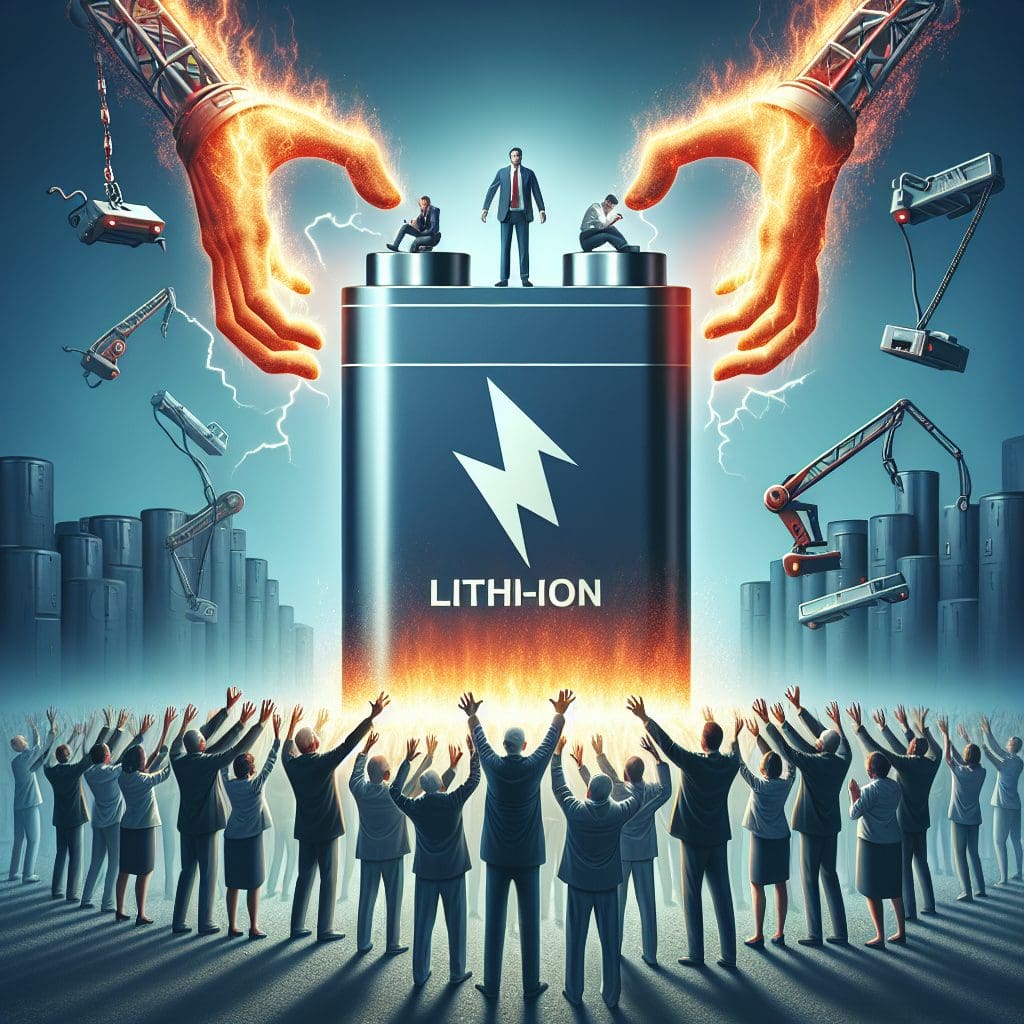
The rapid acceleration in the demand for lithium-ion batteries is transforming various sectors, particularly in renewable energy and electric vehicles (EVs). Despite their significant advantages, experts are increasingly warning about the risks associated with the growing reliance on these volatile energy storage systems.
Lithium-ion batteries are heralded for their high energy density, longevity, and efficiency compared to traditional lead-acid batteries. They have become the cornerstone for technologies ranging from smartphones to electric vehicles, propelling the global push towards cleaner energy solutions. However, as the market expands—driven by initiatives to reduce carbon emissions and promote sustainable transport—so too do concerns regarding the safety and environmental implications of widespread lithium-ion battery use.
One primary concern is the inherent volatility of lithium-ion batteries. Instances of overheating, fires, and even explosions have been reported, particularly in high-demand settings like EVs. The risk is exacerbated during manufacturing, transportation, and disposal phases. A notable example occurred in 2021 when several Tesla vehicles reportedly caught fire due to battery malfunctions, highlighting the potential dangers associated with the technology.
Moreover, the environmental impact of lithium mining poses serious ethical and ecological concerns. The extraction processes are often associated with extensive water use, contamination, and habitat destruction, particularly in regions like South America, where the “Lithium Triangle” spans parts of Chile, Argentina, and Bolivia. Experts warn that as demand surges, mining operations could escalate, leading to further environmental degradation and social conflicts over water and land rights.
Additionally, supply chain vulnerabilities present another risk. The lithium-ion battery industry relies heavily on a limited number of suppliers, which can lead to significant disruptions during geopolitical crises, natural disasters, or shifts in trade policies. The global semiconductor shortage has already demonstrated how interconnected supply chains can easily falter, compromising numerous industries.
To address these pressing issues, experts advocate for enhanced regulation and the development of safer alternatives, including new battery technologies. Solid-state batteries, which replace liquid electrolytes with solid materials, promise to mitigate risks associated with fires and improve energy density, although they are still in the experimental stage.
In conclusion, while lithium-ion batteries are pivotal to the transition to a sustainable future, it is vital to acknowledge and address the potential risks they pose. Industry stakeholders, researchers, and regulators must collaborate to create robust safety frameworks and invest in innovative technologies that minimize environmental impacts, ensuring a responsible and sustainable energy transition.
For more details and the full reference, visit the source link below:
