
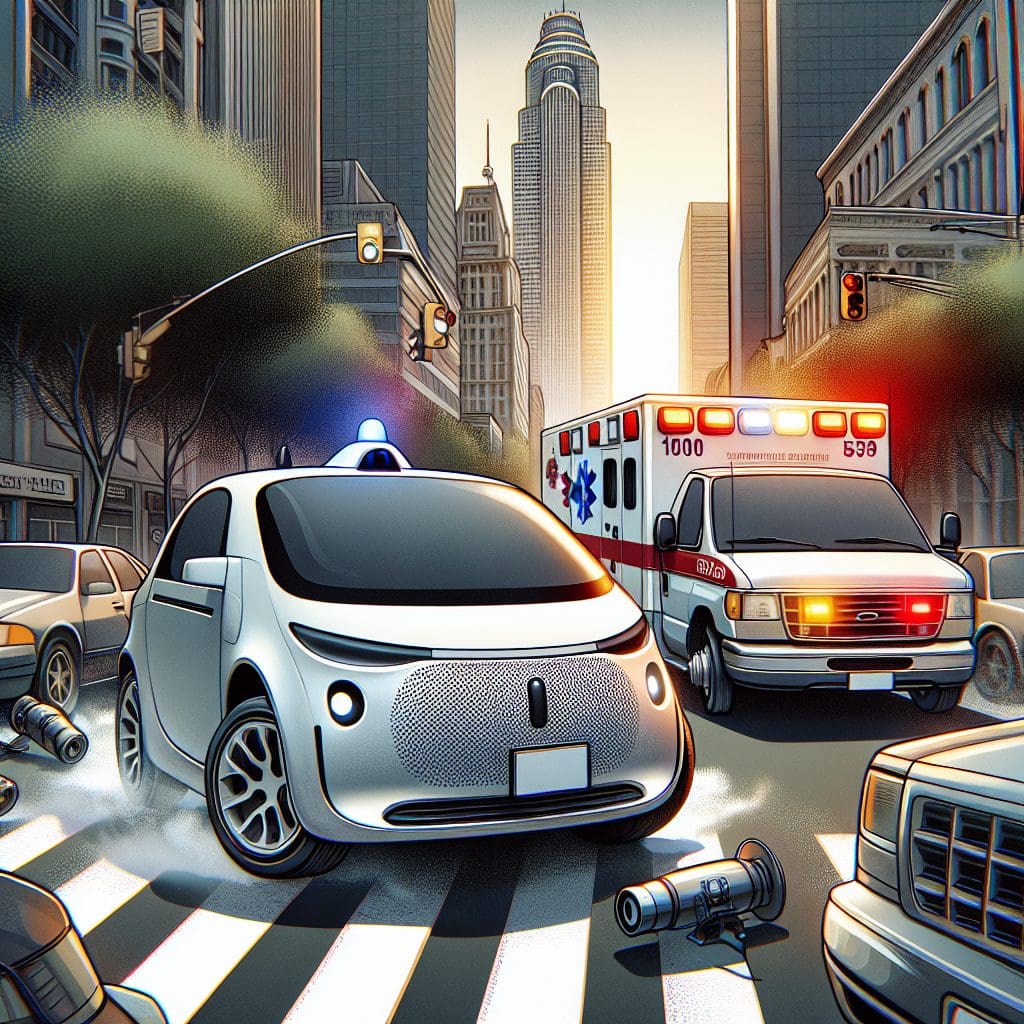
On May 6, 2023, the streets of Austin, Texas, became the backdrop for a tragic mass shooting incident that left the community reeling. In the midst of this crisis, the response from local emergency services was crucial. However, an unexpected and controversial event unfolded when a Waymo autonomous vehicle obstructed an ambulance attempting to rush to the scene. This incident has raised critical questions about the role of autonomous vehicles in emergency situations and the implications for public safety.
As the mass shooting unfolded, emergency responders were dispatched promptly, racing to provide aid and secure the area. However, reports indicated that a Waymo vehicle, navigating the streets autonomously, became immobilized at a critical intersection. Witnesses described a chilling scene: while human-driven vehicles scrambled to clear the path for the ambulance, the Waymo vehicle remained stationary, seemingly unaware of the urgency surrounding it.
Initially, the presence of autonomous vehicles like Waymo is seen as a potential boon for urban mobility, promising fewer accidents caused by human error and improved traffic efficiency. However, events like this highlight significant flaws in the technology—specifically its capacity to recognize and react to high-stakes emergency situations. Emergency vehicles often rely on visual cues and auditory signals to maneuver through traffic, but the algorithms driving autonomous vehicles may not be equipped to prioritize emergencies in real time.
As the ambulance navigated around the Waymo, first responders expressed frustration. Reviews of the incident led to discussions about real-time communication systems that could link emergency services to autonomous vehicles. Such systems could allow for the immediate rerouting of these vehicles in the presence of an emergency. Without this technology, the risk of obstruction during critical moments remains a significant concern.
Moreover, this incident has sparked a broader debate about the regulation of autonomous vehicles. While the technology continues to advance, the gap between ethical programming and real-world, high-pressure scenarios raises urgent questions. How should companies like Waymo be held accountable when their vehicles interfere with emergency operations? What protocols should be in place to ensure these systems operate harmoniously within a human-driven environment?
The Austin shooting incident serves as a stark reminder that while autonomous driving technology holds promise, its integration into our communities requires careful consideration, particularly regarding public safety. As cities increasingly embrace these technologies, comprehensive regulations and protocols must evolve to ensure that emergencies are not compounded by technological shortcomings, safeguarding lives when they matter most.
For more details and the full reference, visit the source link below:
