
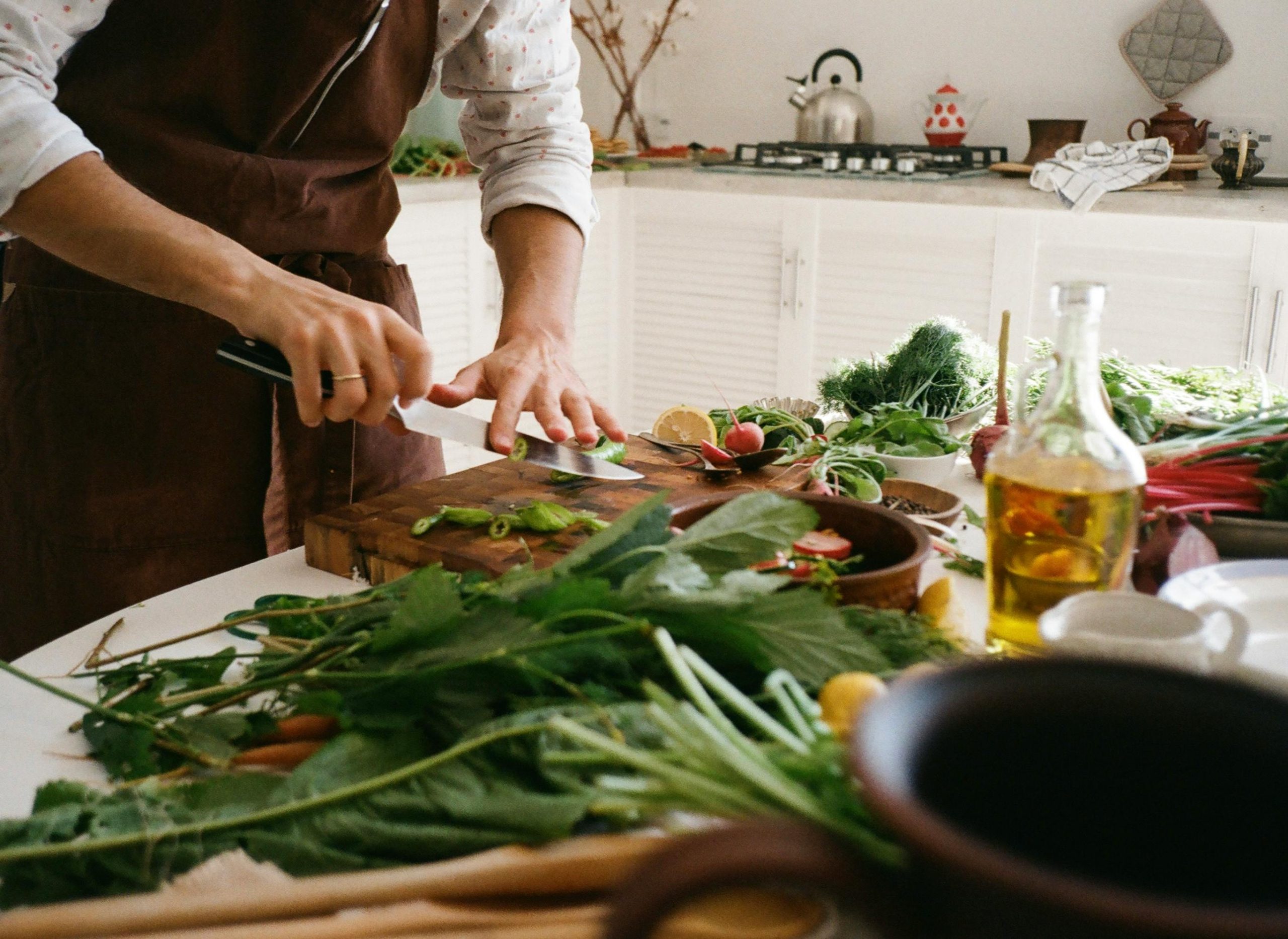
Ingredient Handling Tips That Matter
Proper ingredient handling is crucial in both home and professional kitchens. It ensures food safety, enhances the quality of dishes, and minimizes waste. Here are some essential tips to help you handle ingredients effectively.
1. Keep it Clean
First and foremost, hygiene is paramount. Wash your hands thoroughly before and after handling ingredients, especially raw meats and vegetables. Use warm, soapy water for at least 20 seconds to eliminate bacteria. Ensure that your countertops, cutting boards, and utensils are sanitized, as cross-contamination can lead to foodborne illnesses.
2. Know Your Ingredients
Familiarize yourself with the various types of ingredients you work with. For example, understanding the difference between fresh herbs and dried herbs can significantly affect the flavor profile of your dishes. Storage methods also vary: while fresh vegetables may need refrigeration, many dry spices should be kept in a cool, dark place to maintain their potency.
3. Proper Storage
Storing ingredients correctly is vital to preserving their freshness and preventing spoilage. Refrigerate perishable items like dairy, meats, and certain fruits and vegetables promptly. Use airtight containers to keep dry ingredients like flour, sugar, and grains free from moisture and pests. Labeling containers with dates helps track freshness and reduces the chances of using expired ingredients.
4. Temperature Control
Temperature plays a significant role in ingredient handling. When defrosting meats, always do so in the refrigerator or using the microwave, never at room temperature. Similarly, cooked foods should be refrigerated within two hours to prevent bacterial growth. Maintaining food at safe temperatures—below 40°F for cold storage and above 140°F for hot dishes—is essential for food safety.
5. Practice FIFO (First In, First Out)
The FIFO method is a brilliant way to manage your pantry. Always use older ingredients first to minimize waste and ensure quality. Arrange items in your pantry with the oldest products in front and newer ones at the back. This practice is particularly effective for ingredients with a shelf life, such as canned goods and spices.
6. Measure Accurately
For consistent results in cooking and baking, accurate measurements matter. Use appropriate measuring cups and spoons for dry and liquid ingredients. A kitchen scale can also help, especially when precise measurements are critical, such as in baking.
7. Mind Allergens
Finally, be mindful of food allergies. Always read labels, especially for processed ingredients, and keep allergenic ingredients like nuts and gluten separate from others. Communicate with guests about ingredients, ensuring that everyone can enjoy the meal safely.
By following these ingredient handling tips, you can ensure a safer and more enjoyable cooking experience, leading to delicious meals that everyone can savor.
For more details and the full reference, visit the source link below:
