
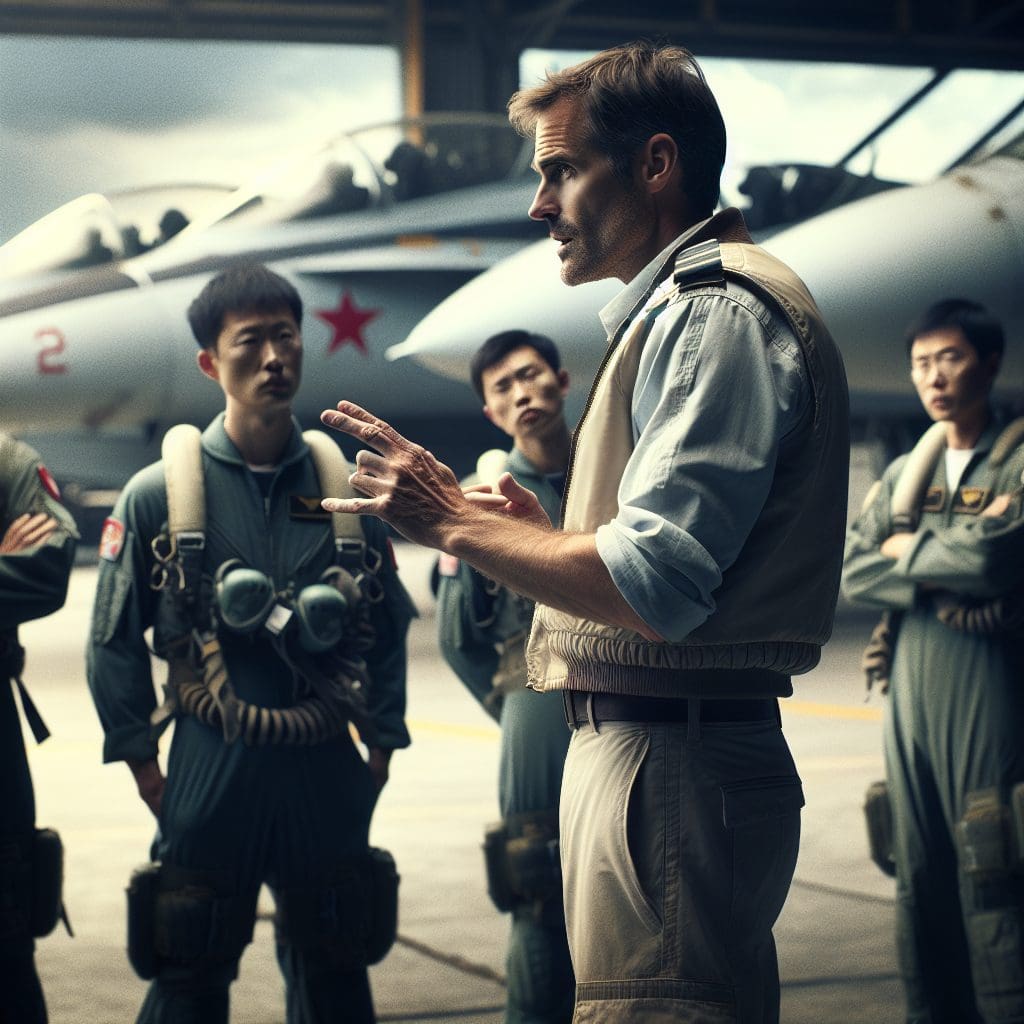
Former Air Force Pilot Accused of Illegally Training Chinese Pilots
In a startling revelation, a former U.S. Air Force pilot has come under scrutiny for allegedly providing illegal training to pilots from China. The case has raised significant security concerns and brought to light the challenges surrounding the protection of sensitive military information and expertise.
The individual in question, once a respected officer, reportedly used their extensive experience and knowledge gained during years of service to mentor and train Chinese nationals. While the motivations behind such actions are still being investigated, the implications are severe. Given the geopolitical tensions between the United States and China, any transfer of military skills or knowledge is taken very seriously, as they can potentially enhance the capabilities of a competitor.
The U.S. military has always maintained strict protocols regarding the sharing of information, particularly with foreign nationals. The Foreign Military Training (FMT) program, for instance, regulates the training of foreign military personnel in the U.S. and ensures that such interactions are conducted under stringent oversight. Any deviation from these protocols can lead to severe consequences, both for the individuals involved and for national security.
In this case, the former pilot is accused of failing to adhere to these protocols. Reports suggest that he may have engaged in unauthorized training sessions, possibly in violation of the Arms Export Control Act. This act was designed to prevent the transfer of military technology to countries deemed a security risk. Given China’s rising military capabilities and ongoing tensions with the U.S., the repercussions of such training could be far-reaching.
The investigation is ongoing, led by federal authorities who are working to uncover the extent of the training and its potential impact. One of the pressing concerns is whether any classified techniques or technologies were imparted during this instruction. In an age where information can have strategic advantages in military confrontations, the stakes are incredibly high.
Moreover, this incident raises larger questions about the motivations of those who choose to share their expertise with foreign military personnel, especially from nations that may not have aligned interests with the U.S. It highlights the need for more robust measures to track and prevent any unauthorized training activities that could compromise national security.
As the case unfolds, it serves as a reminder of the delicate balance that must be maintained in military relations and the vigilance required to protect sensitive information from falling into the wrong hands. The actions of a single individual can potentially affect international relations and security dynamics, emphasizing the importance of integrity and accountability in military service.
For more details and the full reference, visit the source link below:
