
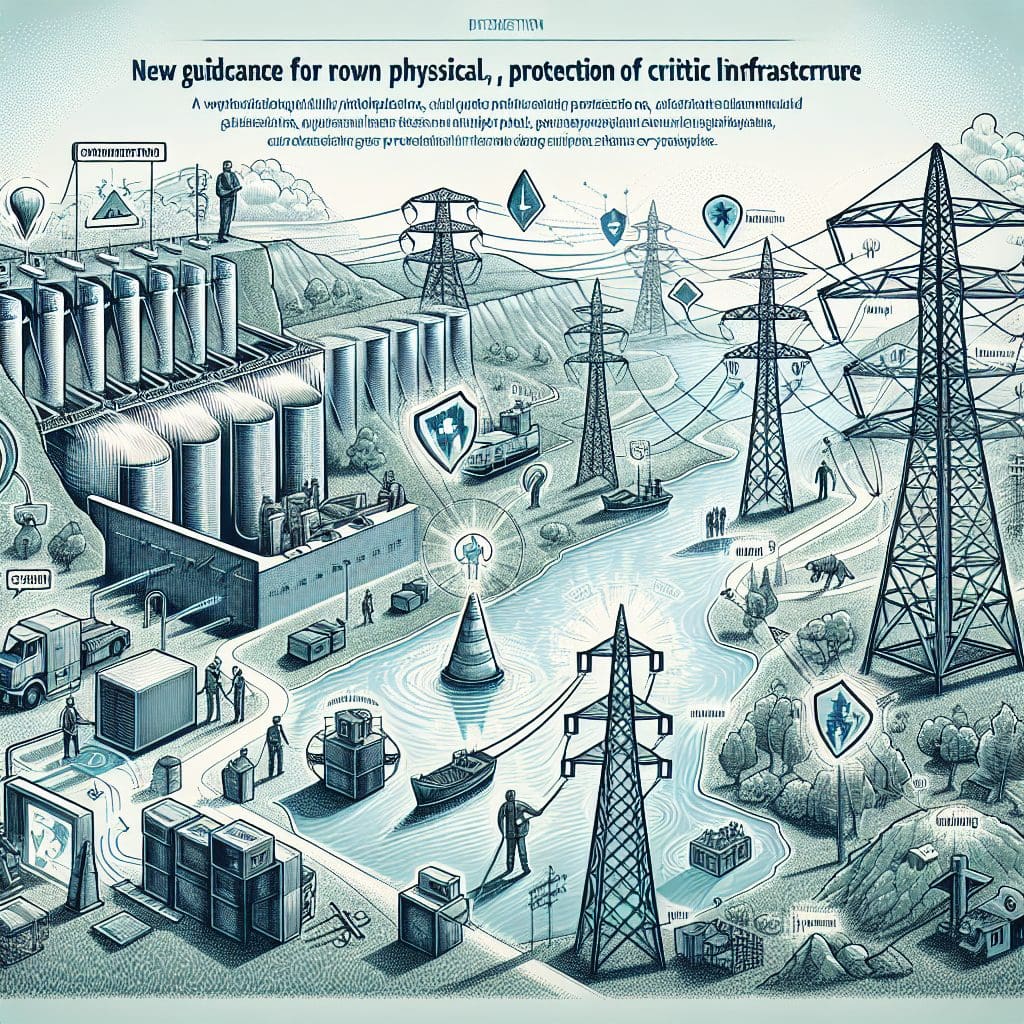
JIATF 401 Publishes New Guidance for Physical Protection of Critical Infrastructure
The Joint Interagency Task Force (JIATF) 401 has recently published new guidance aimed at enhancing the physical protection of critical infrastructure across the United States. This release, sanctioned by the U.S. Department of War, reflects an evolving understanding of the various threats that our nation’s infrastructure faces, ranging from domestic terrorism to cyber-related vulnerabilities.
Critical infrastructure, which encompasses everything from power grids and transportation systems to water supply and communication networks, is vital for national security, public safety, and economic stability. With threats becoming more sophisticated, it has become imperative for various stakeholders, including private sector entities and local governments, to implement robust security measures that adapt to contemporary risks.
The new guidance from JIATF 401 prioritizes a layered security approach. This model combines physical defenses, surveillance technologies, and workforce training to create a comprehensive security framework. Emphasizing the importance of collaboration, the guidance calls for public-private partnerships to share best practices, intelligence, and resources. Such collaboration ensures a unified front against potential threats, leveraging diverse expertise and strengthening community resilience.
Moreover, the document identifies critical assets that warrant heightened protection. Facilities housing sensitive data, essential supply chains, and those that are integral to national security are underscored as needing focused attention. By categorizing these assets, JIATF 401 allows organizations to allocate resources effectively and establish priority protocols for mitigating risks.
Additionally, the guidance incorporates an innovative risk assessment matrix, facilitating organizations in evaluating their vulnerability and the potential impact of various threats. This tool aids in guiding decisions on investment in security technologies and personnel training, ensuring that resources are directed where they are most needed.
Training and preparedness are also highlighted as key components in the new guidance. Organizations are encouraged to conduct regular drills and assessments, ensuring that their staff is familiar with protocols and responsive to crises. This proactive approach not only enhances individual readiness but also builds a culture of security within organizations.
Finally, the release emphasizes the critical role of continuous improvement. Security measures must evolve in response to emerging threats, and organizations are urged to be adaptable and resilient. Continuous assessment and feedback loops are essential for refining security strategies to face an ever-changing landscape.
In conclusion, the new guidance from JIATF 401 represents a strategic push towards strengthening the physical security of critical infrastructure. By fostering collaboration, focusing on risk assessment, and emphasizing training, it stands as a significant step forward in safeguarding America’s vital assets against diverse threats.
For more details and the full reference, visit the source link below:
