
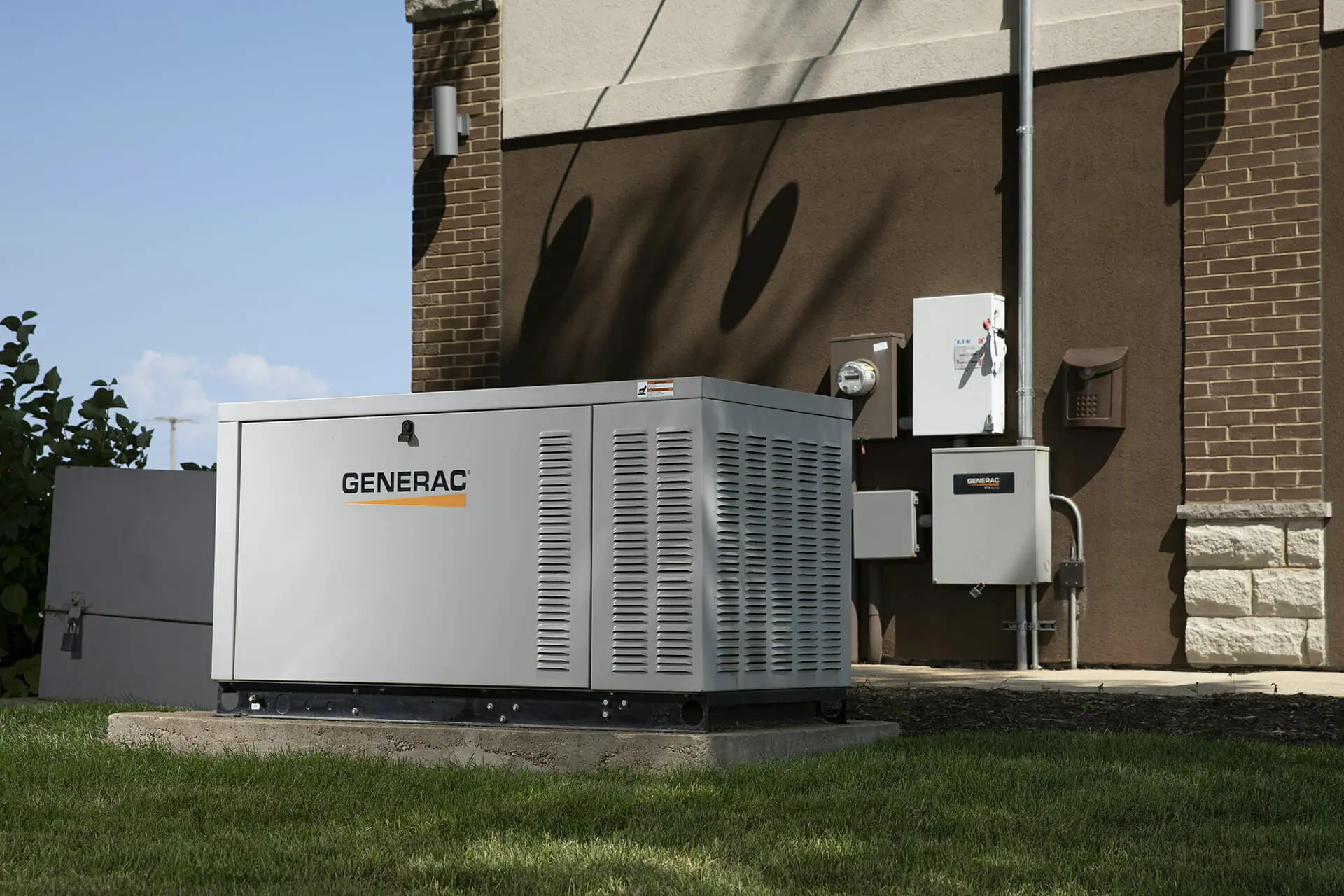
Preparing your business for power outages is crucial, especially in an increasingly unpredictable climate where severe weather can disrupt operations. One of the most effective solutions is investing in a commercial generator. Here’s how to prepare your business for power outages using this essential tool.
### 1. Assess Your Needs
Start by evaluating the specific energy requirements of your business. Consider all critical systems that need power during an outage, such as computers, refrigeration units, security systems, and HVAC units. By determining your wattage needs, you can select a generator that can sustain essential operations without overloading. Consulting with an electrician can provide valuable insights into your exact requirements.
### 2. Choose the Right Generator Size
Once you’ve assessed your energy needs, it’s time to select the right generator size. Generators come in various capacities, measured in kilowatts (kW). It’s advisable to choose a generator that is slightly larger than your calculated needs to accommodate any unexpected loads. Portable generators might be suitable for smaller businesses, while larger enterprises may benefit from a standby generator that automatically activates during outages.
### 3. Ensure Proper Installation
Correct installation is critical for the efficiency and safety of your generator. It’s advisable to hire a certified electrician who understands local codes and regulations. The generator should be installed in a well-ventilated area to prevent carbon monoxide buildup, and all wiring must meet safety standards to avoid any hazards.
### 4. Regular Maintenance
Just like any other piece of equipment, generators require regular maintenance to function effectively. Schedule routine checks that include changing oil, replacing filters, and inspecting fuel systems. Keeping the generator in optimal condition ensures that it operates efficiently when you need it most.
### 5. Conduct Regular Testing
Regularly testing the generator is essential to ensure it’s fully operational in case of an outage. Run the generator under a load for at least 30 minutes every month. This helps to identify any issues before a real power outage occurs, preventing potential downtime and losses.
### 6. Employee Training
Don’t forget to train your staff on how to operate the generator safely and effectively. They should know how to perform basic troubleshooting and when to call for professional assistance. Having a clear plan ensures minimal disruption during an outage.
### Conclusion
By thoughtfully planning for power outages with a commercial generator, businesses can mitigate risks, maintain operations, and protect valuable assets. This investment not only boosts resilience but also builds confidence among employees and customers, demonstrating that your business is prepared for any challenge.
For more details and the full reference, visit the source link below:
