
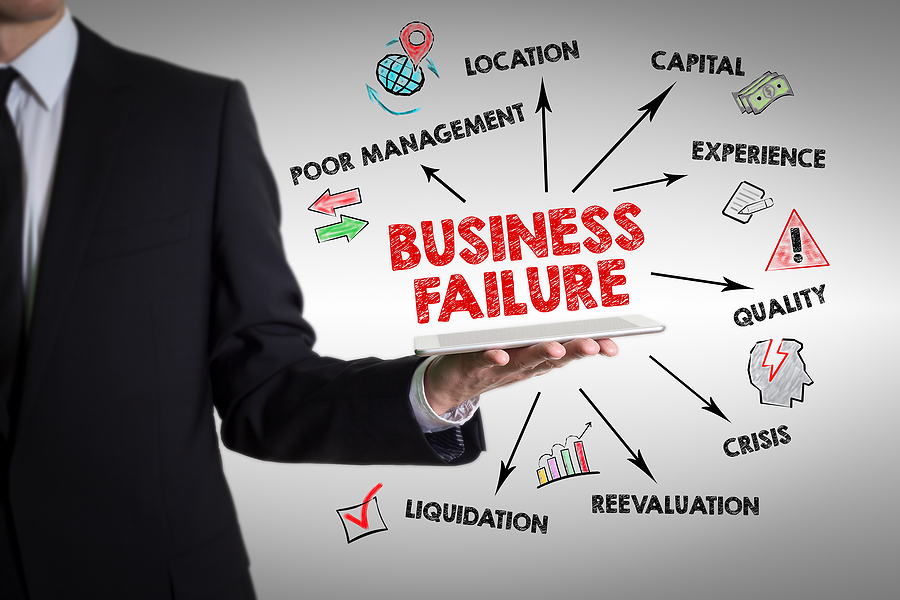
The leading cause behind closures in various sectors—whether businesses, schools, or community centers—often comes down to financial instability, compounded by external factors such as economic downturns, pandemics, or shifts in consumer behavior. When revenues decline, organizations struggle to cover operational costs, leading to difficult decisions about workforce reductions, scaling back services, or ultimately shutting down entirely.
In the retail sector, for instance, the rise of e-commerce dramatically shifted consumer shopping habits. Brick-and-mortar stores that failed to adapt to the digital transformation found themselves at a significant disadvantage. High rental costs, coupled with dwindling foot traffic, left many retailers unable to sustain their business, forcing closures across the country. The impact of this trend has been especially pronounced in small towns, where local businesses often serve as community hubs. When these establishments close, not only do they impact local economies, but they also disrupt community cohesion.
The COVID-19 pandemic further exacerbated these challenges. Government-mandated shutdowns, social distancing guidelines, and consumer fear had an immediate and severe impact on businesses worldwide. Many small and midsize enterprises (SMEs) lacked the resources to weather prolonged periods of reduced income. The lack of sufficient financial support or access to relief funds left these businesses vulnerable, leading to widespread closures.
On the other hand, the education sector faced closures due to health risks posed by the virus. Schools transitioned to remote learning, which exposed systemic inequalities in access to technology and resources. The long-term effects of these closures could hinder not just current student learning but also future workforce readiness, creating an ongoing cycle of disadvantage.
Additionally, closures can also occur due to regulatory changes, high operating costs, or shifts in public policy. Businesses that rely heavily on agriculture, manufacturing, or energy sectors are particularly susceptible to changes in regulations or environmental policies, which can lead to increased costs or even forced shutdowns.
The emotional toll of closures is often overlooked. For employees, losing a job can lead to instability, anxiety, and loss of identity. Communities feel the impact as well, as the closure of a long-standing business can erase local history and erode social bonds.
In conclusion, the leading cause behind closures can often be traced back to a combination of financial pressures and external circumstances. Understanding these factors is crucial for developing effective strategies that can support resilience and recovery in the face of adversity. Addressing these issues requires collaborative efforts from government, businesses, and communities to create adaptive solutions that foster sustainability and growth.
For more details and the full reference, visit the source link below:
