
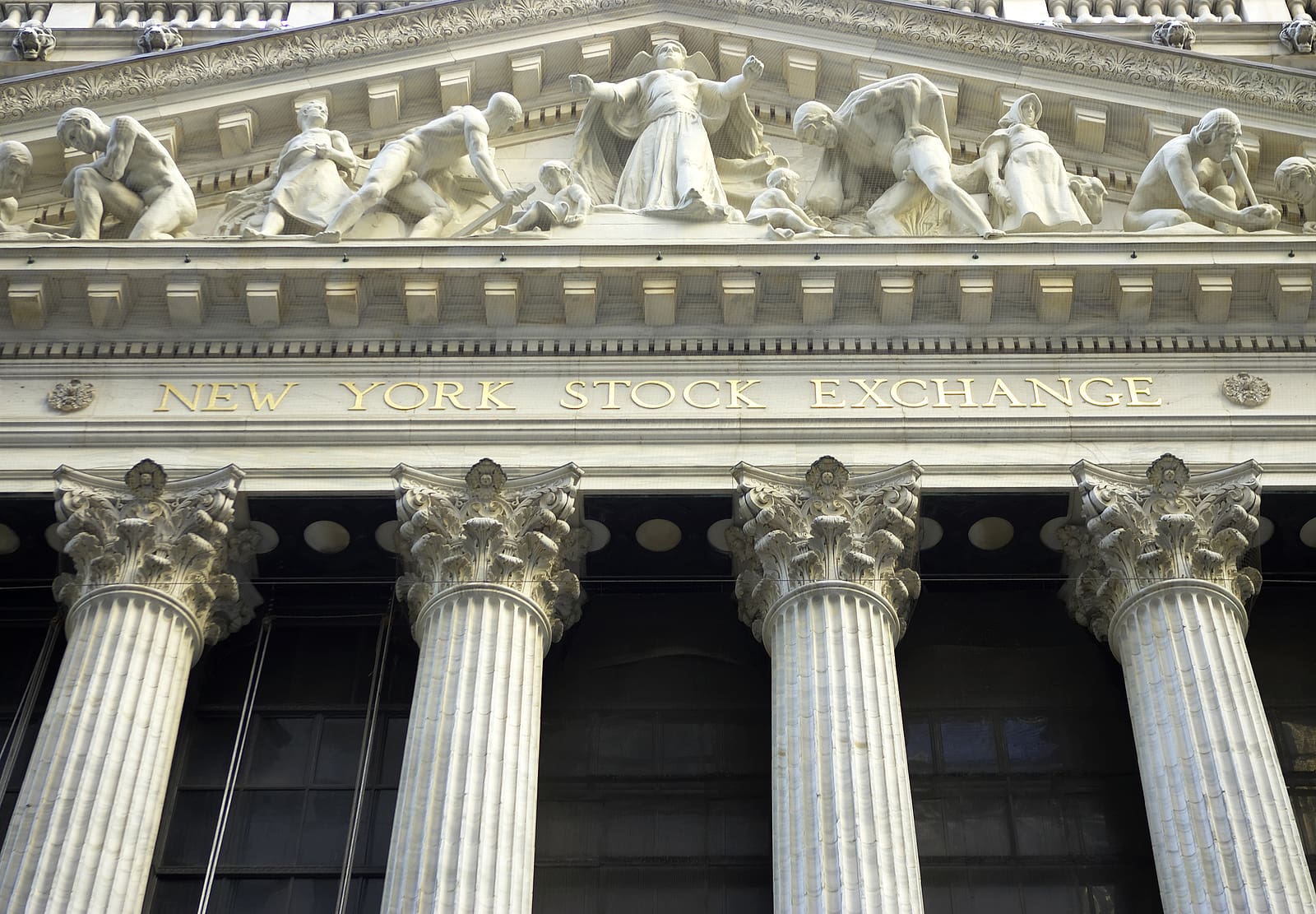
On Wednesday, January 14, 2026, US stock markets experienced a notable decline, reflecting a sense of caution among investors amid a mix of economic concerns and geopolitical tensions. The major indices, including the S&P 500, Dow Jones Industrial Average, and Nasdaq Composite, all closed lower, with most sectors facing downward pressure.
The retreat was partly fueled by disappointing earnings reports from several major corporations. Analysts had predicted steady growth; however, many companies fell short of expectations, citing increasing operational costs and a challenging economic landscape. These results heightened worries about corporate profitability, leading investors to reassess their investment strategies and risk tolerance.
Adding to the market’s unease were ongoing geopolitical tensions, particularly in Eastern Europe and parts of the Middle East. Reports of escalating conflicts and diplomatic standoffs raised fears of potential disruptions in global trade, which could impact economic stability. Investors typically view geopolitical instability as a precursor to market volatility, prompting them to pull back from stocks in favor of safer assets.
In addition, economic indicators released that day indicated a slower-than-expected recovery in certain key sectors. Job creation numbers were below forecasts, and inflation remained stubbornly high, complicating the Federal Reserve’s efforts to balance growth and stability. While the central bank has guided interest rates cautiously to support the economy, the specter of persistent inflation has made investors jittery about future monetary policy changes. Speculation about rate adjustments loomed large, contributing to market hesitance.
Sector performance was mixed, with technology stocks particularly impacted as investors reassessed their positions in leading tech firms. Growth stocks, often considered high-risk during uncertain times, faced selling pressure as cautious sentiment prevailed. Conversely, defensive sectors, such as utilities and consumer staples, showed resilience, attracting buyers looking for stability.
Market analysts emphasized the importance of monitoring upcoming economic data and earnings reports, suggesting that the market’s trajectory could shift based on new information. The volatility observed on January 14 could be indicative of broader trends as investors navigate through a complex financial landscape characterized by uncertainty.
As the session closed, many investors remained on edge, contemplating the implications of ongoing issues that could shape market dynamics in the coming weeks. With essential economic indicators and earnings announcements slated for the near future, the behavior of the stock market remained precarious, underscoring the need for vigilance in the face of shifting conditions.
For more details and the full reference, visit the source link below:
