
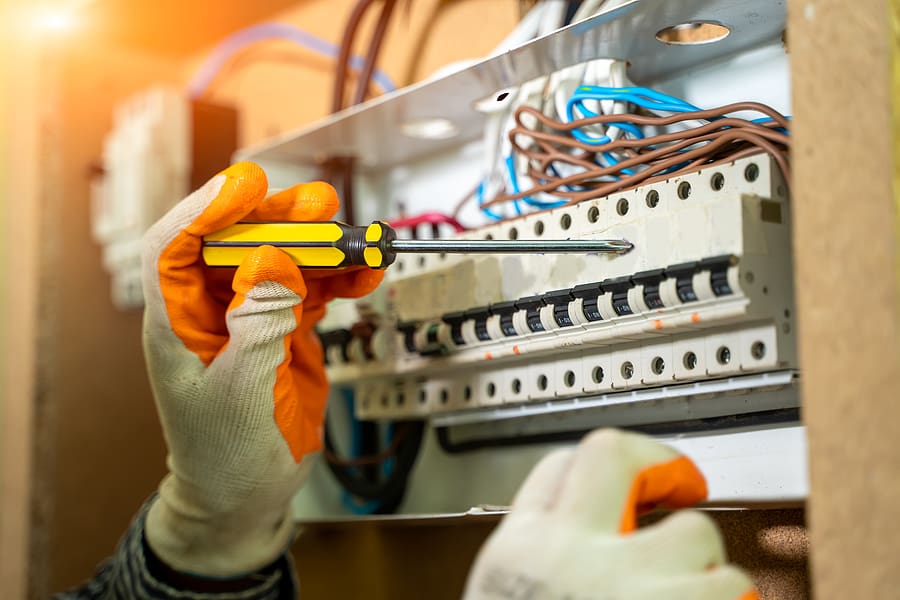
When it comes to electrical wiring, adherence to established codes is crucial for ensuring safety, efficiency, and reliability. Various codes exist globally, with the National Electrical Code (NEC) in the United States being one of the most influential. Understanding the eight key requirements every electrical wiring code covers is essential for both professionals and homeowners.
1. Safety Standards
The primary goal of any electrical wiring code is to safeguard people and property from electrical hazards. Codes specify materials and installation practices that minimize the risk of shocks, electrocution, and fires.
2. Wiring Materials
Wiring codes dictate the types of materials that are acceptable for electrical installations. These include specifications on the gauge of wires, types of insulation, and overall durability. This ensures that the wires can handle the expected electrical loads without degrading over time.
3. Installation Practices
Proper installation techniques are mandated to ensure safe and effective functioning. This includes guidelines on the proper placement of wires, the use of conduits, and the spacing requirements for outlets and switches.
4. Circuit Load Calculations
Every code provides formulas and guidelines for calculating the load on circuits. This is critical for preventing overloads that can lead to tripped breakers or even fires. Understanding these calculations helps in designing an electrical system that meets the demands of its intended use.
5. Grounding and Bonding
Grounding serves as a safety measure to prevent electric shock and equipment damage. Wiring codes outline the requirements for grounding systems and bonding, which connect various metal parts to the ground, thus providing a safe path for discharges.
6. Outlet and Switch Requirements
The code specifies the number and placement of outlets in any electrical installation. This includes requirements for GFCI (Ground Fault Circuit Interrupter) outlets in wet areas like kitchens and bathrooms, ensuring that users remain safe while using appliances in these environments.
7. Lighting and HVAC
Wiring codes address the requirements for lighting fixtures and heating, ventilation, and air conditioning (HVAC) systems. This encompasses energy-efficient solutions and energy consumption guidelines, ensuring both safety and environmental sustainability.
8. Inspections and Compliance
Finally, electrical wiring codes lay out the requirements for inspections and ongoing compliance. This ensures that installations are periodically checked for safety and any necessary updates to remain up to code.
In conclusion, the eight key requirements that electrical wiring codes cover are essential for the safety, functionality, and longevity of electrical systems. Familiarity with these regulations not only minimizes risks but also empowers homeowners and electricians to make informed decisions in their electrical endeavors.
For more details and the full reference, visit the source link below:
