
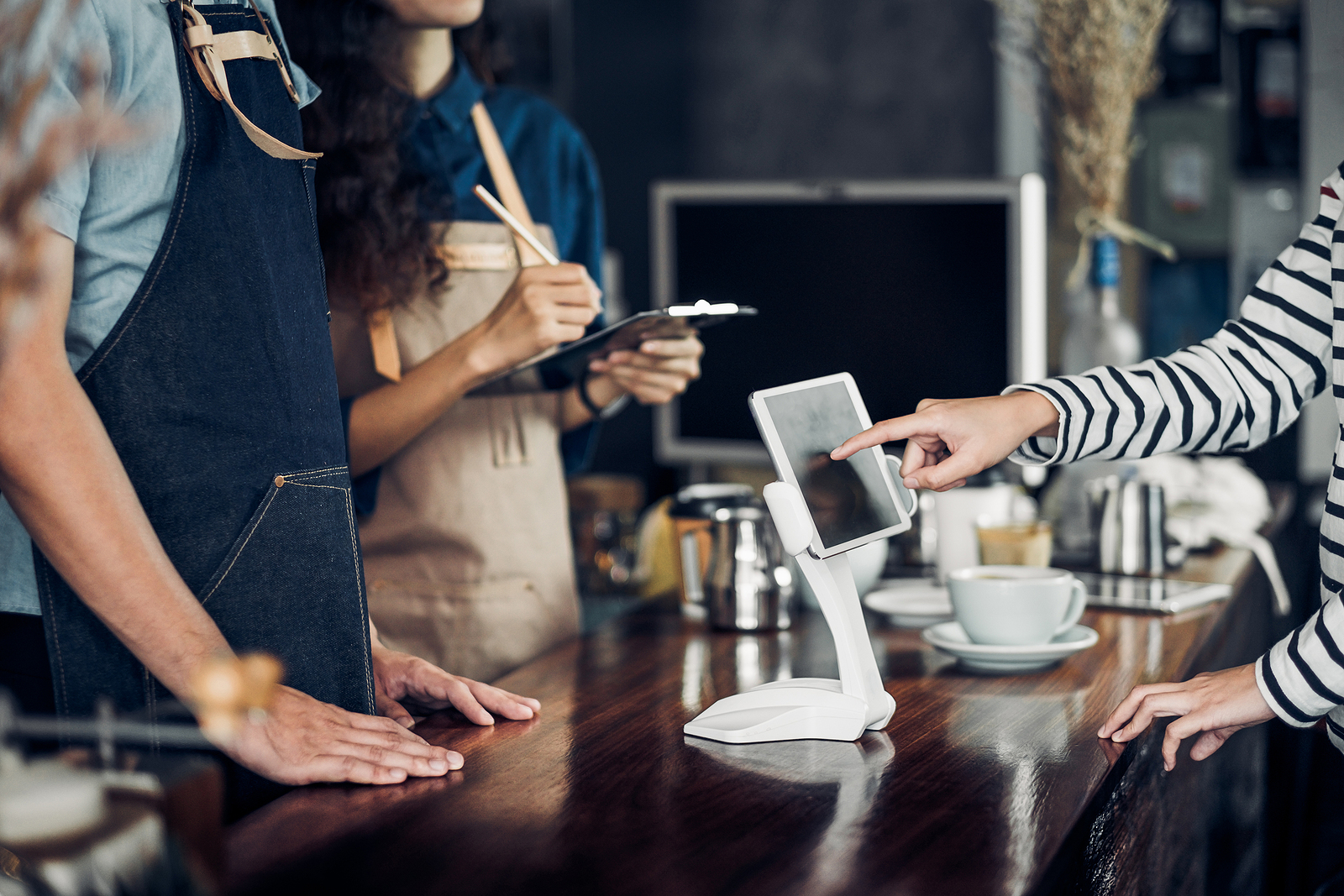
6 Ways Restaurants Improve Workflow With Digital Systems
In the fast-paced world of the restaurant industry, efficient workflow is essential for success. Digital systems are transforming how restaurants operate, enabling them to streamline processes, enhance customer service, and boost profitability. Here are six ways digital systems improve workflow in restaurants.
1. Point of Sale (POS) Systems
Modern POS systems do much more than process payments. They track sales in real-time, manage inventory, and analyze customer preferences. By consolidating these functions into one platform, restaurants can reduce time spent on administrative tasks, minimizing errors and ensuring staff can focus on providing quality service. Advanced POS systems can even integrate with other digital solutions, providing a comprehensive overview of restaurant operations.
2. Online Ordering and Reservations
Digital systems have revolutionized how customers interact with restaurants. Platforms for online ordering and reservations allow customers to browse menus, place orders, and secure their tables with minimal effort. This capability reduces wait times, enhances customer satisfaction, and can lead to increased sales. Additionally, restaurants can gather valuable data on customer behavior, which can inform marketing strategies and menu adjustments.
3. Inventory Management
Managing inventory is one of the biggest challenges in the restaurant industry. Digital inventory management systems track stock levels in real-time and alert staff when it’s time to reorder supplies. This automation reduces waste, prevents stockouts, and optimizes purchasing decisions. By eliminating manual tracking, restaurants can decrease the time spent on inventory management and allocate resources to customer service and food quality.
4. Staff Scheduling and Communication
Efficient staff management is crucial for maintaining smooth operations. Digital scheduling tools allow managers to create and adjust schedules easily, accommodating staff availability while ensuring adequate coverage. These systems can facilitate communication among team members, reducing misunderstandings and improving overall morale. By streamlining scheduling and communication, restaurants can create a more productive work environment and enhance the dining experience for customers.
5. Table Management Systems
Digital table management systems help restaurants optimize seating arrangements and improve the flow of service. These systems allow staff to efficiently manage reservations, walk-ins, and waitlists, decreasing bottlenecks during peak hours. By maximizing table turnover rates and minimizing wait times, restaurants can enhance efficiency and increase revenue potential.
6. Customer Relationship Management (CRM)
CRM systems enable restaurants to build lasting relationships with their customers. By capturing data on customer preferences, dining history, and feedback, restaurants can customize marketing efforts, send promotions, and provide personalized experiences. This targeted approach not only fosters loyalty but also drives repeat business, ultimately benefiting the bottom line.
In conclusion, embracing digital systems can significantly enhance restaurant workflow. From POS systems to CRM tools, these technologies streamline processes, improve communication, and elevate the overall dining experience, paving the way for greater success in a competitive market.
For more details and the full reference, visit the source link below:
