
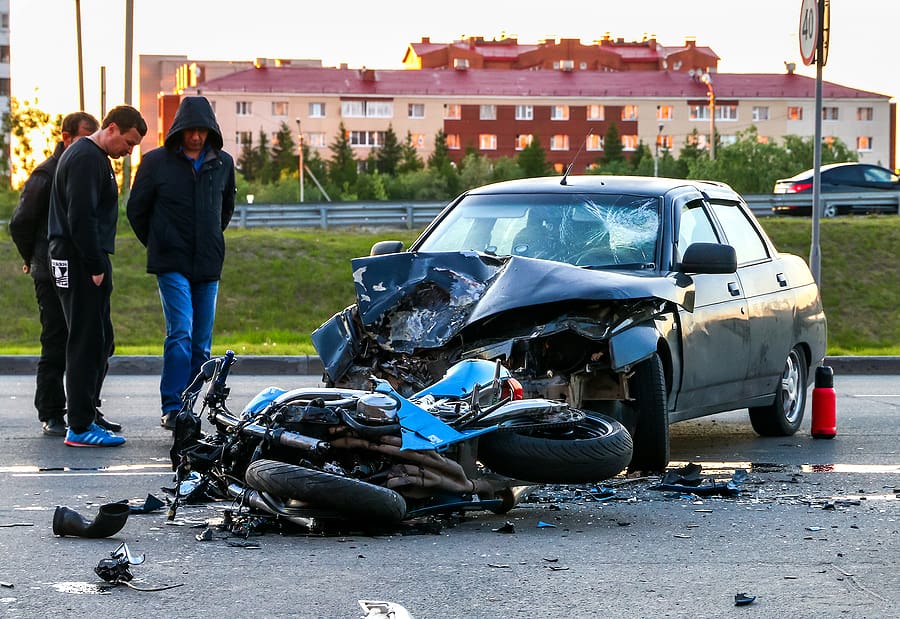
In the realm of motorcycle safety, alarming statistics speak volumes about the challenges riders face on the roads. In a sobering report, Missouri has ranked fourth in the nation for motorcycle fatalities over a five-year period, with a staggering total of 335 fatalities. This ranking emphasizes a critical public health issue and draws attention to the urgency of improving road safety measures for motorcyclists.
The reasons behind such high fatality rates are multifaceted. One significant factor is the lack of helmet laws in Missouri. Unlike many states that mandate helmet use for all riders, Missouri only requires helmets for those under the age of 26. This regulatory gap leaves a substantial number of motorcyclists unprotected, which can lead to severe injuries or fatalities in the event of an accident. Research consistently shows that wearing helmets significantly reduces the risk of head injuries, making state policies crucial in promoting safety.
Driver awareness also plays a pivotal role in motorcycle safety. Motorcyclists are often more vulnerable on the road due to their smaller size and the lack of stable barriers that provide protection. Drivers in larger vehicles may not always be fully aware of their surroundings, leading to collisions with unsuspecting motorcycle riders. Increased education and awareness campaigns directed at all road users can help mitigate these accidents. Initiatives to improve visibility, such as advocating for the use of bright clothing and effective lighting on motorcycles, can be effective strategies to enhance safety.
Additionally, the proficiency of riders is paramount. Many motorcyclists may not possess adequate training, contributing to the high fatality rate. Missouri has seen an increase in motorcycle enrollment for training courses, but there is still a pressing need for comprehensive education programs that focus on safe riding techniques and hazard recognition. By equipping riders with the skills and knowledge they need, the likelihood of accidents can decrease significantly.
The economic impact of motorcycle fatalities is another area worthy of consideration. Beyond the tragic loss of life, each fatality can create a ripple effect that burdens families and communities. Medical costs, loss of productivity, and emotional trauma can place significant strain on society. Therefore, addressing motorcycle safety through legislation, education, and community initiatives is not just a moral obligation; it is an economic necessity.
In conclusion, the statistic of 335 motorcycle fatalities over five years in Missouri serves as a stark reminder of the urgent need for enhanced safety measures. By implementing stricter helmet laws, raising awareness among all road users, and promoting rider education, Missouri can work towards changing its ranking and improving safety for all motorcyclists. Addressing this pervasive issue requires a collaborative effort among lawmakers, riders, and the wider community to foster a safer riding environment.
For more details and the full reference, visit the source link below:
