
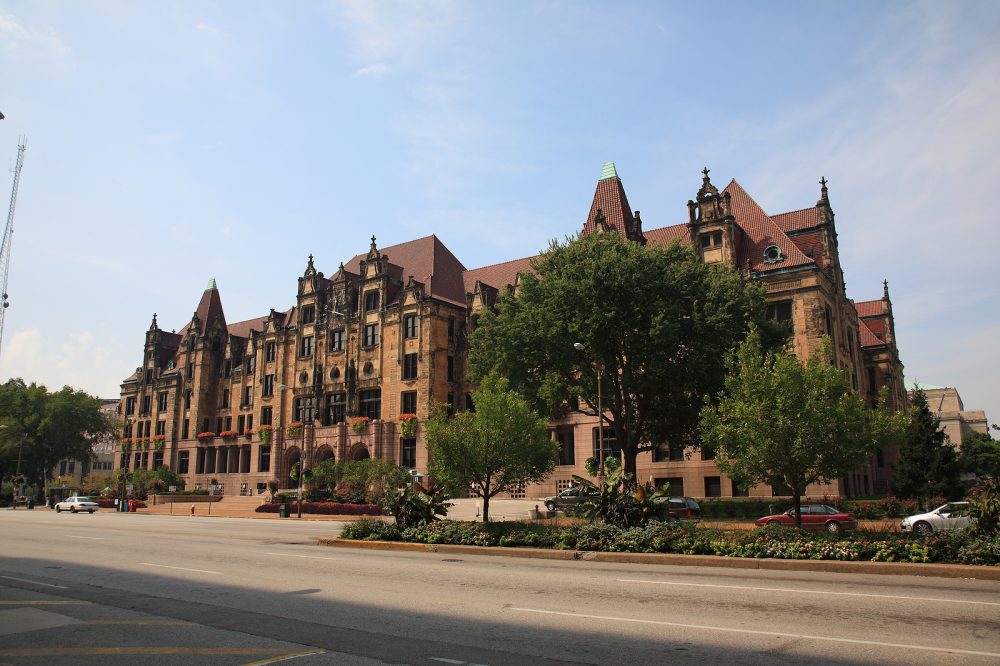
St. Louis City Hall, 1200 Market Street, St. Louis, Missouri, is located downtown St. Louis.
St. Louis City Hall – The Heart of Civic Leadership on Market Street
ST. LOUIS, MO (STL.Directory) St. Louis City Hall stands proudly on Market Street in the heart of downtown, serving as the city government’s headquarters and a symbol of municipal leadership for more than a century. This impressive structure reflects the authority, responsibility, and public service that guide the city’s elected officials and administrators. With its commanding presence and historic architecture, City Hall remains one of the most recognizable civic buildings in the region. Visit its Wikipedia page.
Completed in the early 20th century, St. Louis City Hall was designed to convey permanence, transparency, and democratic values. The building features classical architectural elements popular in its era, including strong columns, decorative stonework, and a symmetrical design. Its exterior is crafted from light-colored stone, giving it a stately appearance that stands out along Market Street’s busy corridor. While the design is elegant, it is also practical, reflecting the building’s role as a working government facility.
At the core of City Hall’s mission is public service. The building houses the offices of the Mayor of St. Louis, members of the Board of Aldermen, and numerous city departments responsible for daily operations. From public safety and transportation to economic development and community services, City Hall functions as the central hub for decision-making that impacts every resident and business within the city.
Visitors entering the building are greeted by a grand interior featuring marble floors, high ceilings, and historical details that showcase early 20th-century craftsmanship. The public areas are designed to be accessible and welcoming, reinforcing the principle that local government belongs to the people it serves. City council chambers, meeting rooms, and public offices are active throughout the week, with regular hearings, committee meetings, and community events.
City Hall plays a vital role in shaping St. Louis’ future. Policies related to housing, infrastructure, public safety, zoning, and economic growth are debated and decided within these walls. Community members often attend meetings to voice concerns, support initiatives, or stay informed about city governance. This ongoing engagement highlights the building’s role not only as an administrative center but also as a civic participation forum.
Over the decades, St. Louis City Hall has witnessed countless historic moments. Mayoral inaugurations, legislative votes, and public demonstrations have occurred on its steps and in its chambers. These events reflect the city’s evolving priorities and the diverse voices that have shaped its direction. From times of prosperity to periods of challenge, City Hall has remained a steady anchor in the city’s story.
The building’s location on Market Street places it in the heart of downtown, surrounded by major institutions, businesses, and cultural attractions. Its proximity to the Gateway Mall, courts, and other government buildings creates a cohesive civic district. Tourists exploring downtown often pass City Hall as they walk between landmarks, making it both a working facility and a visual attraction.
While primarily a government building, City Hall also holds architectural and historical appeal. Visitors interested in St. Louis history will appreciate the building’s design and its role in shaping the city’s development. The structure reflects a time when cities invested heavily in monumental public buildings to demonstrate stability and pride. Today, that legacy continues through careful preservation and ongoing use.
City Hall also serves as an important employer in the region. Hundreds of city workers operate from the building, managing essential services that keep St. Louis functioning. From permit processing and records management to policy research and public outreach, the City Hall workforce serves as the operational backbone of local government.
Community engagement remains a cornerstone of the building’s purpose. Public hearings, town halls, and special sessions provide residents with opportunities to interact directly with their elected leaders. This open-door approach reinforces transparency and accountability while strengthening trust between the government and the community.
For businesses, City Hall plays a critical role in licensing, permitting, and regulatory oversight. Entrepreneurs often interact with city departments housed in the building to launch or expand operations. This connection makes City Hall a vital resource for economic development and neighborhood growth.
Throughout the year, City Hall participates in civic ceremonies and community observances. Flag displays, holiday lighting, and commemorative events reflect the city’s diversity and shared values. These moments transform the building from a workplace into a gathering place, reinforcing its role as a symbol of unity.
Today, St. Louis City Hall continues to balance tradition with modern governance. While its historic exterior remains unchanged, the work inside reflects contemporary challenges and opportunities. From infrastructure modernization to community safety initiatives, decisions made here shape the city’s future.
As a cornerstone of downtown St. Louis, City Hall represents more than government operations—it embodies civic responsibility, public engagement, and the ongoing effort to build a stronger community. Whether you are a resident attending a meeting, a business owner seeking permits, or a visitor exploring the city, St. Louis City Hall stands as a reminder of the democratic process in action.