
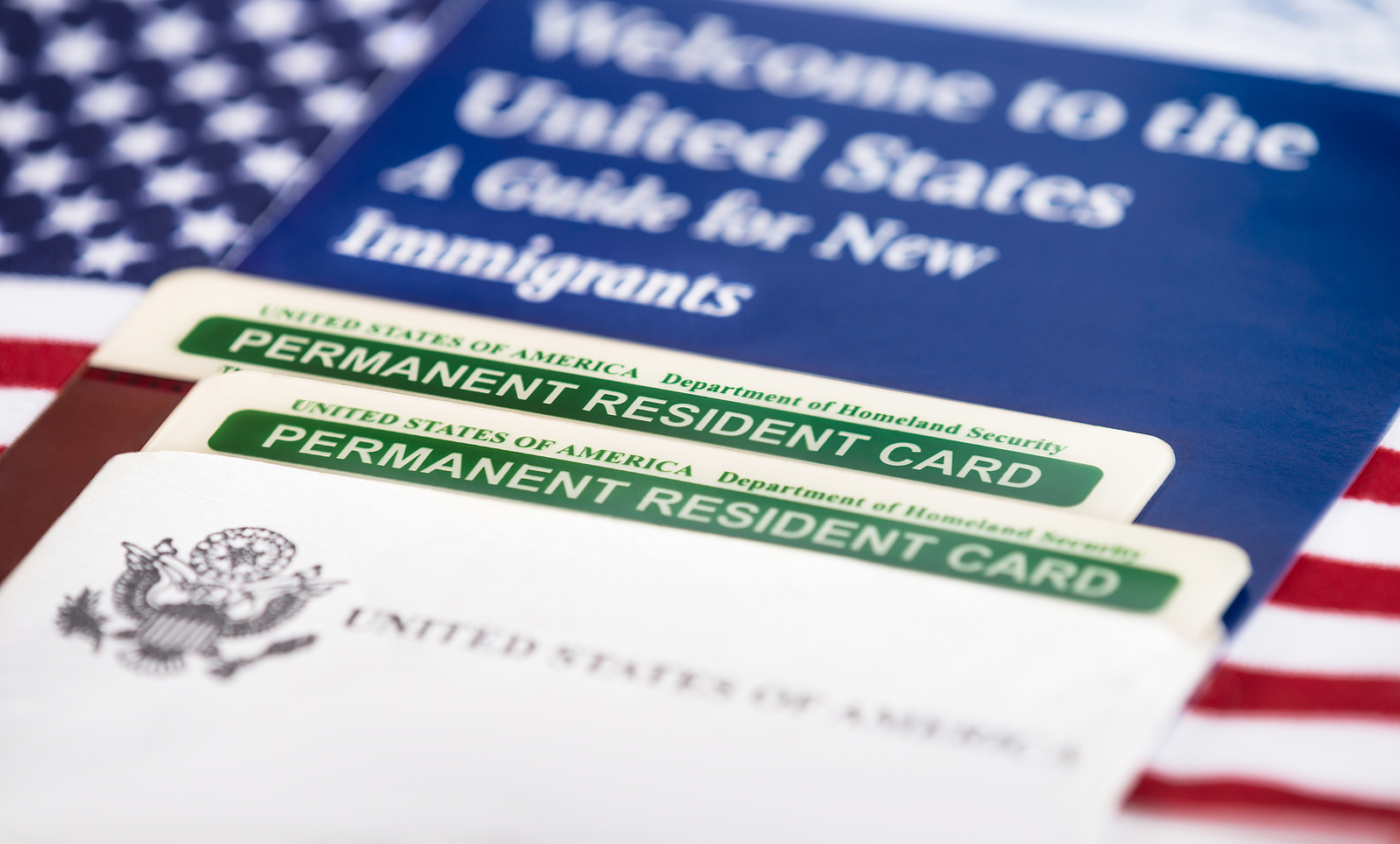
The Trump administration’s decision to shift green card processing abroad marked a significant change in U.S. immigration policy, affecting thousands of potential immigrants seeking permanent residency. Traditionally, the green card application process has often been conducted within the United States, allowing applicants, including those with pending asylum claims or family ties, to navigate their documentation while remaining physically present in the country. However, the new policy required many applicants to process their green card applications at U.S. consulates in their home countries, introducing several layers of complexity and uncertainty.
One of the administration’s primary motivations for this shift was to streamline the immigration process and reduce backlogs that had plagued the U.S. Citizenship and Immigration Services (USCIS). By processing applications abroad, the administration aimed to alleviate the enormous caseload faced by domestic offices. However, this initiative raised concerns about accessibility, especially for individuals facing socio-economic challenges or those in situations where traveling back to their home countries posed significant risks.
Moreover, the policy disproportionately affected individuals from vulnerable backgrounds, such as refugees and asylum seekers. Many of these individuals relied on the protection and community support existing in the U.S. while navigating the complex immigration system. By mandating that they return to their home countries to complete the green card process, the Trump administration effectively placed them in precarious situations, potentially exposing them to persecution, violence, or instability.
Critics argued that the decision was less about efficiency and more about furthering an agenda to limit immigration. The move was perceived as part of a broader set of policies that sought to reduce immigration levels overall, as well as an effort to deter applicants who may otherwise have qualified for residency in the U.S. This shift was accompanied by increases in processing fees and longer wait times, particularly affecting those applying for family-based or employment-based green cards.
In response, many advocacy groups and legal aid organizations mobilized to assist affected individuals, providing resources and guidance on navigating the changing landscape of immigration policy. The complexities and challenges spurred by this shift highlight the ongoing debate surrounding immigration reform in the United States and the broader implications of policies targeting populations seeking refuge and opportunity.
Ultimately, the Trump administration’s decision to shift green card processing abroad encapsulates the intricate balance between immigration control and humanitarian concerns, raising essential questions about the future of the U.S. immigration system and its commitment to providing refuge and support to those in need.
For more details and the full reference, visit the source link below:
